
In the modern dining landscape, Digital Menu Boards for Restaurants have emerged as a game-changer. According to a report by QSR Magazine, 70% of consumers notice digital signage, with 60% influenced by it when making purchasing decisions. This highlights the power of visual communication in influencing customer choices. Implementing these boards can streamline operations, significantly reduce wait times, and enhance customer engagement.
Moreover, studies show that restaurants using digital menu boards report a 15-20% increase in sales. Digital Menu Boards allow for dynamic content updates, enabling restaurants to promote daily specials and seasonal items effectively. However, the transition to digital can be challenging. Staff must adapt to new systems, which may initially disrupt workflow.
Despite these hurdles, the advantages of Digital Menu Boards far outweigh the challenges. They provide restaurants with a modern edge, attract tech-savvy customers, and enhance the overall dining experience. As the industry evolves, embracing this technology becomes more crucial for staying competitive and meeting consumer expectations.
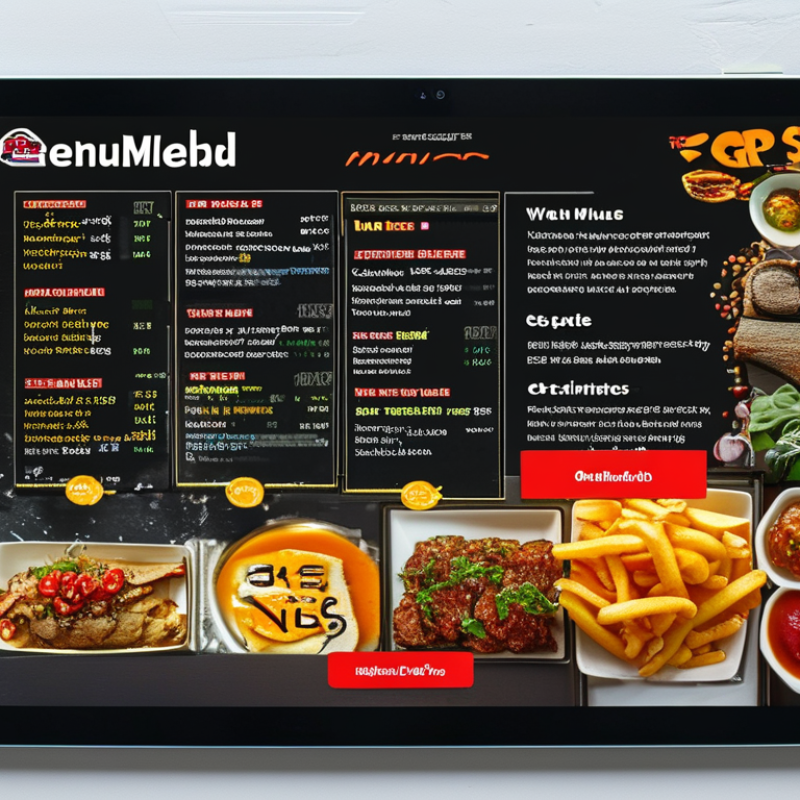
Digital menu boards represent a significant shift in how restaurants present their offerings. These boards use vibrant graphics and dynamic content, capturing customers' attention more effectively than traditional static menus. According to a 2022 report by the Digital Signage Federation, restaurants utilizing digital menu boards see a 10-30% increase in sales when menus are updated frequently. This adaptability allows restaurants to showcase promotions and seasonal items easily.
The installation of digital menu boards can also enhance the customer experience. They can display eye-catching visuals, making it easier for guests to make decisions. A study by Nielsen showed that menu items presented with images can increase sales by 20%. Moreover, these boards can be updated in real-time, allowing restaurants to respond quickly to inventory changes or special events.
However, transitioning to digital systems comes with challenges. Some staff may require training to manage the technology effectively. Additionally, there can be high upfront costs for installation and maintenance. Restaurants must weigh these factors against the potential benefits of increased engagement and sales.
Digital menu boards are reshaping the dining experience in restaurants. Their key components include display screens, content management systems, and connectivity features.
Display screens are the most visible aspect. High-resolution, vibrant screens attract customers' attention. They showcase images and videos that enhance the appeal of menu items.
Research shows that visuals can increase sales by as much as 30%.
Content management systems provide the backbone of digital menu boards. These systems allow restaurants to update menu items and prices in real-time.
According to industry reports, 40% of restaurants noted improved efficiency when using digital menus. Quick updates mean that businesses can respond to supply changes or seasonal offerings immediately.
Connectivity features, such as Wi-Fi or cloud-based solutions, enable remote management. This means that operators can adjust their menus from anywhere, optimizing operations.
Despite these advantages, there are challenges. Not every restaurant has the technical expertise for seamless integration. Some restaurants also struggle with the cost of high-quality displays.
Additionally, there's the need for consistent internet connectivity, which can be problematic in certain locations. Restaurants must evaluate their unique needs to fully benefit from this technology.
Digital menu boards have transformed the restaurant landscape. They offer an engaging way to present menus while providing several benefits. According to a recent study, 70% of customers reported that digital boards influenced their purchasing decisions. This statistic underscores the importance of visual appeal in modern dining experiences.
The dynamic nature of digital menu boards allows restaurants to update their offerings frequently. This flexibility can significantly boost sales, with reports indicating a 15% increase in average order value after implementation. Seasonal promotions and limited-time offers can be highlighted more effectively, capturing customer attention in real time. Restaurants can also reduce operational costs by minimizing the need for printed materials, which can be both costly and outdated.
Moreover, digital boards can enhance customer engagement. With the incorporation of videos or animations, restaurants can convey their brand story in a captivating way. However, it’s essential to maintain a balance; too much information can overwhelm customers. Striking the right equilibrium between aesthetics and functionality is crucial. Ensuring that the content is relevant and easy to digest can lead to a better dining experience, ultimately resulting in increased customer loyalty.
| Benefit | Description | Impact on Restaurant |
|---|---|---|
| Increased Sales | Digital menu boards can enhance visual appeal, leading to higher customer spending. | Boosts overall revenue and encourages upselling. |
| Real-time Updates | Menus can be updated instantly to reflect new items or pricing. | Improves operational efficiency and reduces costs associated with printing. |
| Enhanced Customer Experience | Dynamic images and videos engage customers more effectively than static menus. | Increases customer satisfaction and retention rates. |
| Improved Aesthetic Appeal | Modern digital displays provide a sleek and updated look. | Attracts more customers and enhances brand image. |
| Inventory Management | Menus can automatically adjust based on ingredients available. | Reduces waste and helps manage stock more efficiently. |
Digital menu boards have become a vital tool for restaurants looking to enhance customer engagement. By using visually appealing digital displays, establishments can showcase their offerings in a dynamic way. Research by the Digital Signage Federation indicates that menus presented on digital boards can increase sales by as much as 15%. This is partly due to the ability to update menu items in real-time, allowing restaurants to highlight specials or new dishes instantly.
Beyond mere aesthetics, digital menu boards also create a more interactive experience. Customers are often drawn to vibrant visuals and animations that traditional static menus cannot provide. A study from the QSR Magazine suggests that engaging content can boost customer dwell time, leading to higher average ticket sizes. However, not all restaurants have optimized their menu layouts. Some may overwhelm customers with too much information or clutter, detracting from the overall experience.
Moreover, the data show that restaurants can benefit from analyzing customer preferences through digital interactions. This feedback can guide menu development and promotional strategies. However, some establishments struggle with integrating technology while maintaining a personal touch. Finding the right balance is crucial for fostering lasting customer relationships. Digital menu boards offer opportunities, but careful implementation aligned with customer needs is essential for success.
Digital menu boards have transformed the way restaurants present their offerings, enhancing customer experiences significantly. Case studies highlight successful implementations, showcasing tangible benefits. For instance, a major fast-food chain observed a 10% increase in average order value after introducing digital displays. This illustrates the impact of visually appealing content on consumer choices.
In another case, a coffee shop integrated digital menu boards and reported a 15% rise in sales during peak hours. The ability to change menus in real time allows for promotional flexibility, drawing in customers with targeted offers. Moreover, a study indicated that restaurants with digital displays experience a 20% decrease in perceived wait times. This suggests that customers feel more engaged and less restless while waiting.
While digital solutions offer impressive advantages, challenges exist. Initial setup costs can be high, and regular maintenance is required. Furthermore, staff training is crucial to maximize these boards' effectiveness. Not all restaurant staff may be well-versed in technology, creating a gap in utilization. These factors warrant careful consideration when adopting digital menu systems.
: Digital menu boards are electronic displays that present restaurant menus. They engage customers and enhance dining experiences.
They can increase average order value by 10-15%. Visual appeal influences purchasing decisions significantly.
Yes, updates can be done in real time. This helps highlight promotions and seasonal offers effectively.
They reduce operational costs by minimizing the need for printed materials. This can help save money in the long run.
They can include videos and animations that tell a brand story. However, too much information can be overwhelming.
Initial setup costs can be high. Regular maintenance and staff training are also necessary to maximize effectiveness.
Digital displays can decrease perceived wait times by 20%. Customers feel more engaged and less restless while waiting.
Content must be relevant and easy to digest. Balance aesthetics with functionality for a better experience.
Budget for setup costs and ongoing maintenance. Evaluate staff readiness for training on these systems.
Digital Menu Boards for Restaurants are innovative solutions that replace traditional static menus with dynamic digital displays. These systems typically consist of high-resolution screens, content management software, and integration with POS systems, allowing for real-time updates and menu changes. Implementing Digital Menu Boards can significantly enhance customer engagement by showcasing vivid images, promotional videos, and interactive features, making it easier for diners to browse offerings.
The benefits of adopting Digital Menu Boards include improved operational efficiency, increased sales through up-selling opportunities, and a modernized dining experience that attracts tech-savvy customers. Case studies highlight successful businesses that have experienced enhanced customer satisfaction and streamlined menu management through this technology, demonstrating its powerful impact in the competitive restaurant industry.
