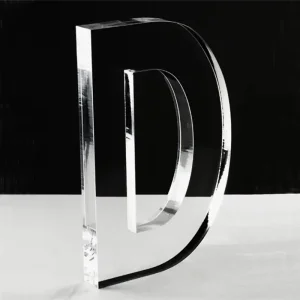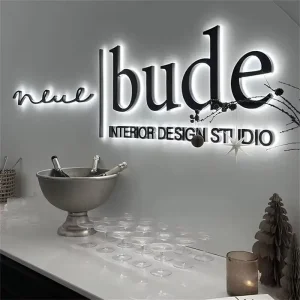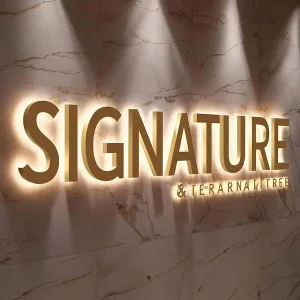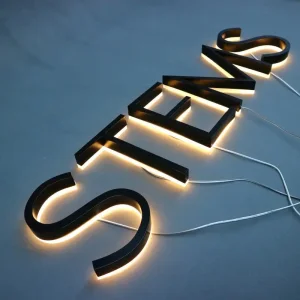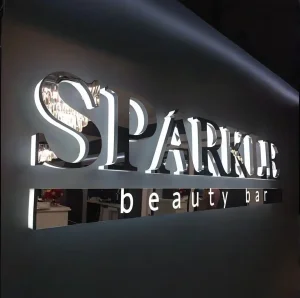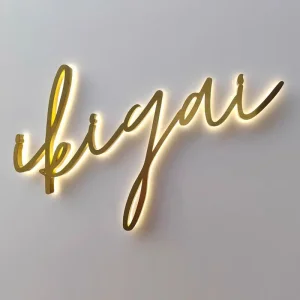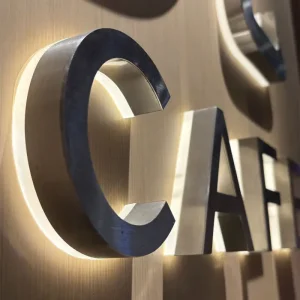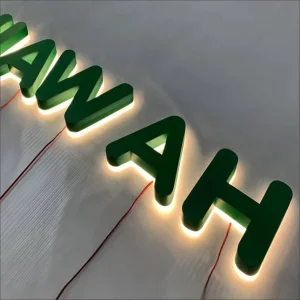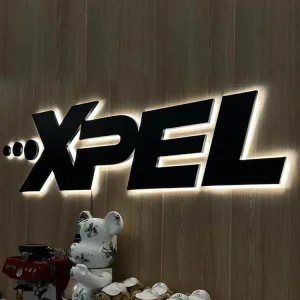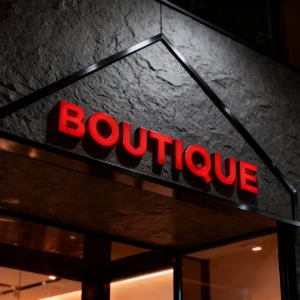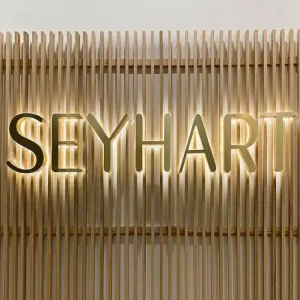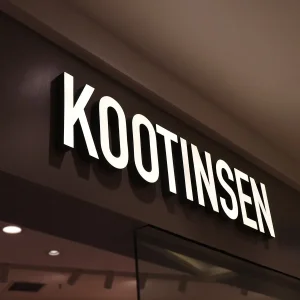
Explore our state-of-the-art catalog featuring architectural letterforms, CNC-routed acrylic designs, and smart LED integrations.
In modern corporate brand identity, custom acrylic lettering represents the intersection of structural polymer chemistry and architectural lighting design. Transitioning beyond legacy neon lighting systems, commercial real estate developers, hospitality chains, and global retail conglomerates increasingly demand polymethyl methacrylate (PMMA) signs. The reason is rooted in physical optics: premium acrylic boasts a light transmission rate of up to 92%, surpassing typical silicate glasses while retaining unmatched impact strength and dimensional stability.
Today’s industrial signage demands architectural integration. Signage is no longer a passive identification block; it is an active touchpoint of a brand's sensory footprint. Modern outdoor acrylic characters are built to resist extreme temperature fluctuations, mechanical stresses (such as high wind-load ratings), and chemical degrading agents. Our industrial formulations integrate custom UV stabilizers directly into the polymer matrices, preventing yellowing and structural embrittlement under intense UV exposure.
Strategically nested within the Wanguan Industrial Park, Mengyang Town, Pengzhou City, Chengdu, Sichuan Province, Xinzhongrun Advertising Co., Ltd. represents a key nexus of automated manufacturing and premium custom craftsmanship. Built on a philosophy of "Innovation creates value, win-win achieves the future," we operate as a vertically integrated B2B production plant.
Our facility spans thousands of square meters, housing production lines that leverage multi-axis CNC routers, high-precision industrial lasers, clean-room paint booths, and automated LED assembly hardware. We maintain rigid quality protocols at every processing node—from initial raw PMMA cast inspection to dynamic electrical load testing—guaranteeing our signage solutions exceed international architectural requirements.

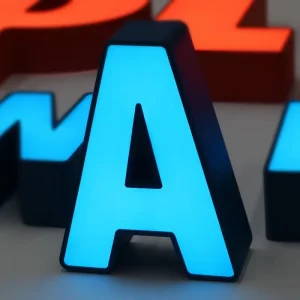
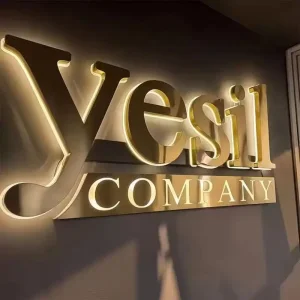
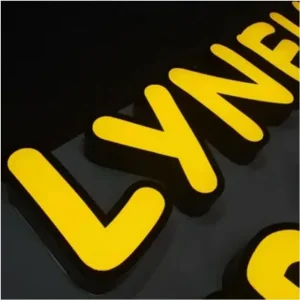
Hover or select custom architectural typologies built by our manufacturing team.
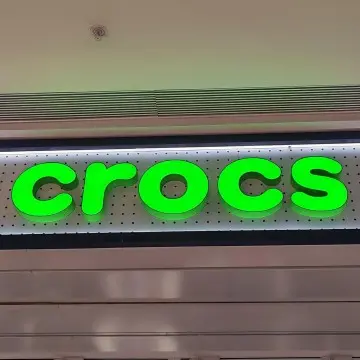
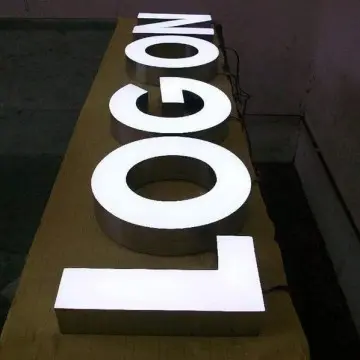
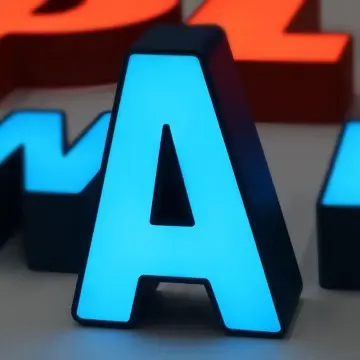
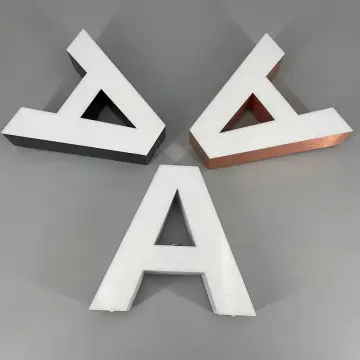
A deep breakdown of the precision steps required to produce industrial-grade acrylic letters.
Using automated multi-axis routing platforms, raw cast PMMA sheets are milled with spatial tolerances under ±0.1mm. This prevents micro-stress cracks along the cut paths, preserving physical strength.
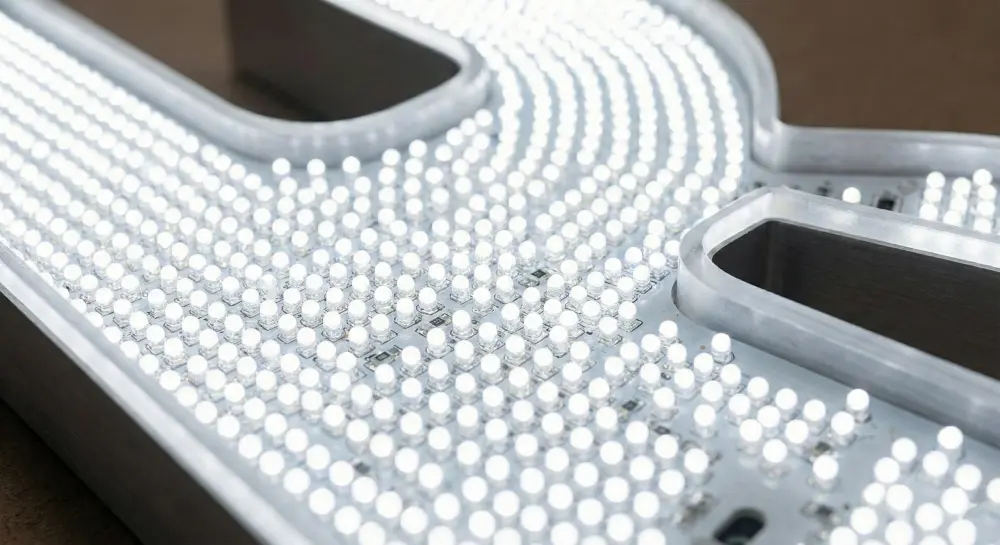
Illumination performance relies on LED selection and spatial layout. We specify premium chips with tight MacAdam ellipse binning to maintain color consistency across production batches.
To withstand diverse outdoor conditions, we seal our lighting arrays using specialized polyurethane or optical-grade silicone potting resins, shielding critical electronics from moisture.
The Chengdu-Chongqing industrial zone acts as a highly efficient logistics hub, giving us access to raw chemical monomers, high-stability PCB fabricators, and specialized metal extrusion facilities. These localized resources streamline our upstream component supply chain.
This proximity reduces transit times and materials transport costs, allowing us to pivot quickly on custom designs. Clients benefit from shorter prototyping phases—compressing production lead times for complex architectural designs from typical 3-week cycles to under 7 business days.
Additionally, our direct access to maritime transport nodes, international rail corridors (like the China-Europe Railway Express), and global air freight connections ensures timely, predictable deliveries to over 100 countries.
High-purity cast PMMA sheets
CNC-routed profiles under ±0.1mm tolerance
Diode binned LEDs and waterproofing
How we meet regional engineering codes and installation safety standards worldwide.
We manufacture illuminated components to meet international testing standards, streamlining local permitting and onsite sign inspections.
Acrylic sign components expand and contract with temperature changes. Our mounting systems include built-in expansion gaps to prevent warping.
We supply precise design templates, wiring schematics, and hardware specifications to ensure smooth local installations.
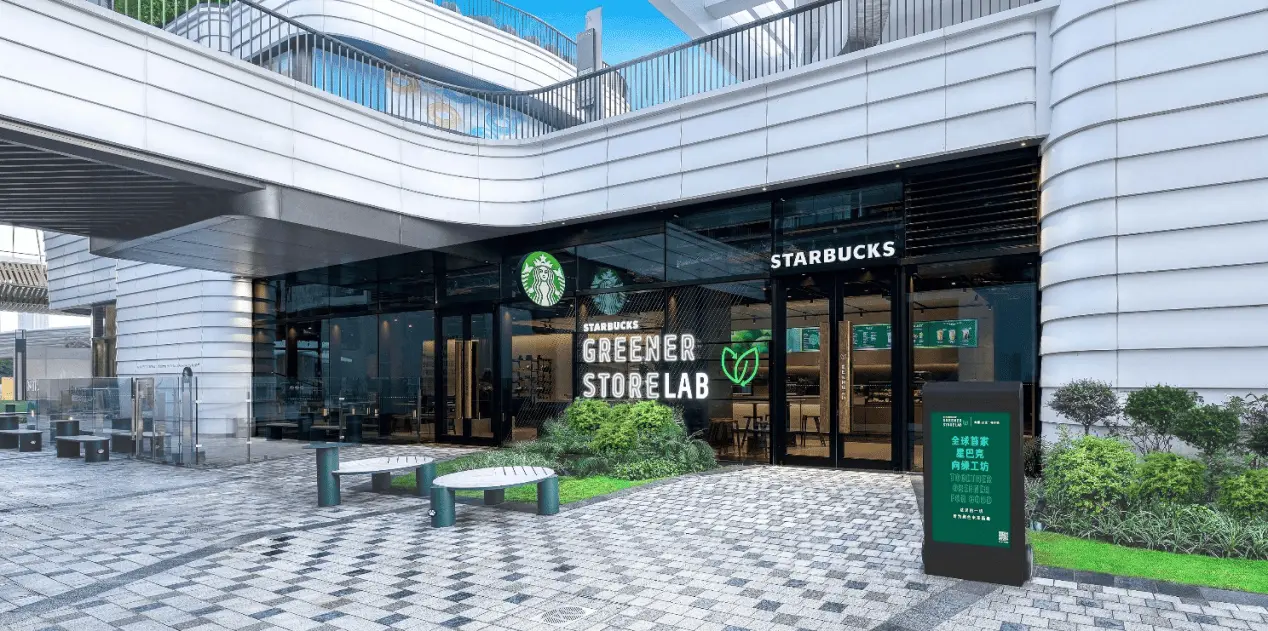
Discover more illuminated systems, including high-impact external storefront signage and refined, modern office branding configurations.
The signage industry is moving toward integrated smart building ecosystems. Rather than remaining static, next-generation acrylic lettering systems incorporate light-sensitive photodiodes and temperature sensors. This technology automatically adjusts brightness based on ambient conditions, improving energy efficiency.
At the same time, improvements in co-extrusion technology allow us to manufacture gradient-diffusing acrylics. These sheets feature varying levels of internal light-scattering particles, providing even light distribution across complex, thin shapes.
Additionally, we are testing plant-derived bio-PMMA polymers to lower the overall carbon footprint of our architectural signage products. This helps our clients meet their corporate sustainability and environmental targets without compromising on durability or weather resistance.
Hydrophobic surfaces shed dirt and reduce maintenance needs.
Ensures uniform illumination even along narrow strokes.
Adapts to ambient light levels to save energy and extend lifespan.
Read our latest reports and updates on sign engineering, visual branding ROI, and material science.
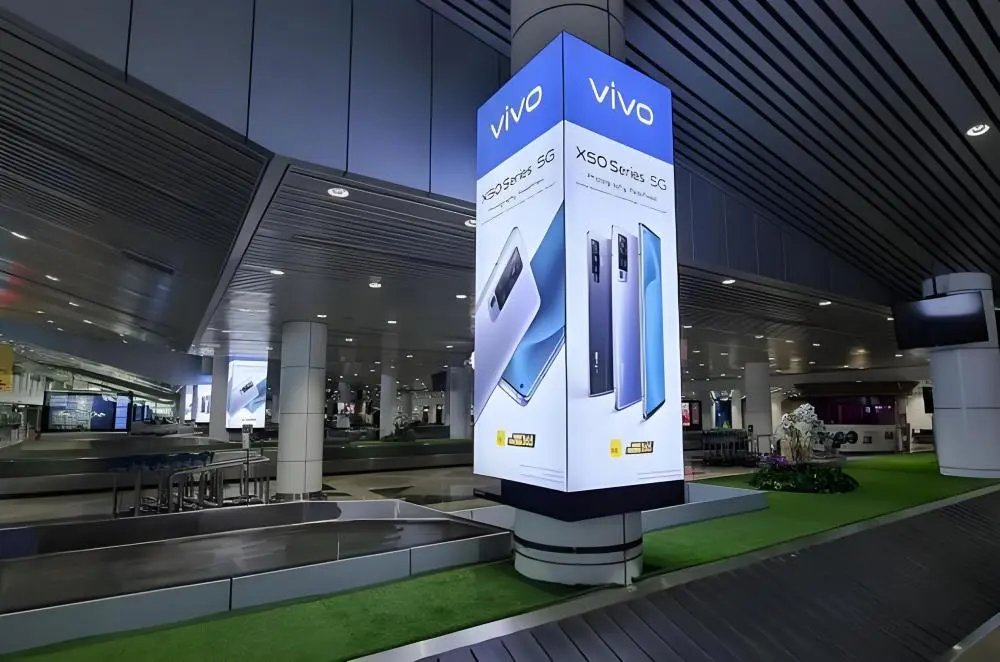
 January 21, 2026
We analyze how high-quality architectural storefront signage directly influences foot traffic, brand recognition, and commercial property values in key retail districts.
 January 20, 2026
An in-depth look at new co-extrusion methods and molecular UV stabilizers that prevent yellowing in outdoor signage, even under intense solar exposure.
 June 07, 2025
Exploring bio-resins and low-power LED systems designed to help companies meet sustainability standards in modern architectural developments.
Answers to common engineering, architectural integration, and logistics questions.
ΔL = L × α × ΔT.
For PMMA, the expansion coefficient (α) is 7 × 10⁻⁵ m/(m·K). For a 1-meter tall character facing a temperature change (ΔT) of 60°C, the letter can expand or contract by up to 4.2mm. We design mounting standoffs and structural joints to safely absorb this movement.
Connect directly with our engineering team to discuss custom layouts, detailed material calculations, and volume pricing terms.
Contact Our Technical Sales Team