
1 / 3

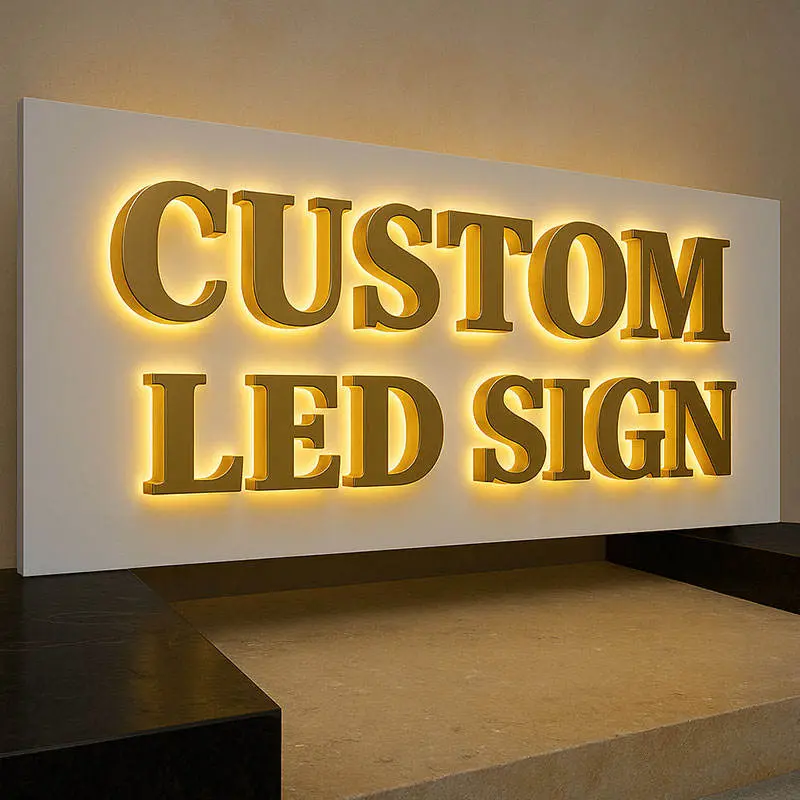
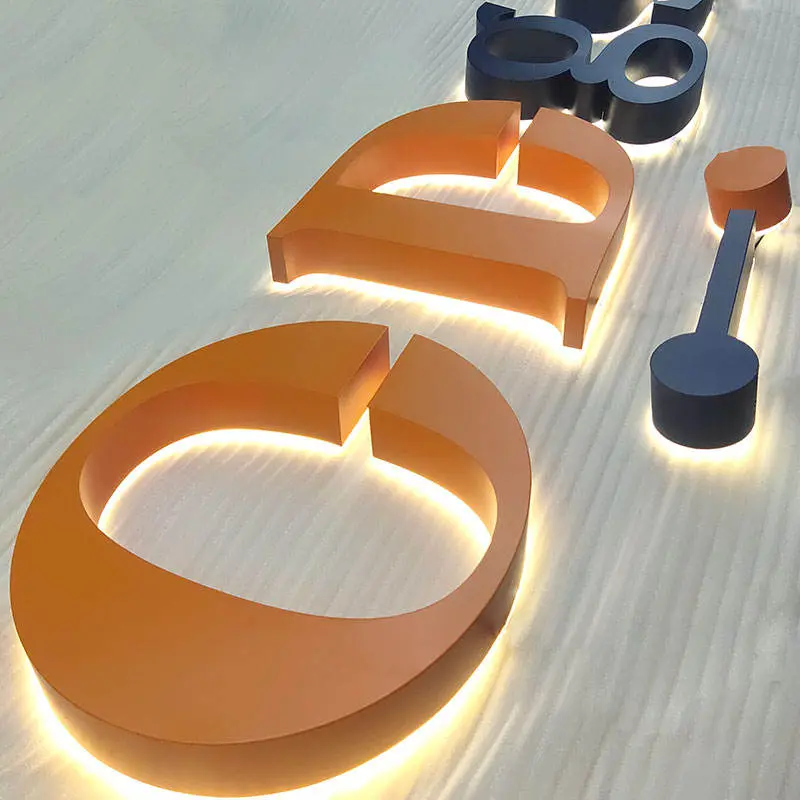
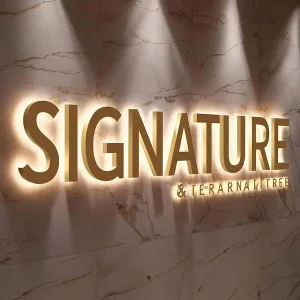
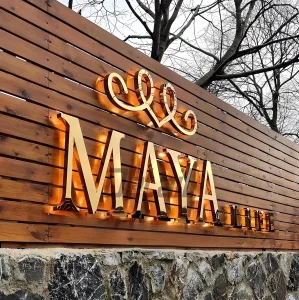
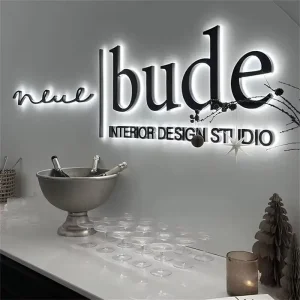
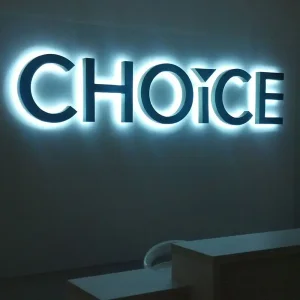
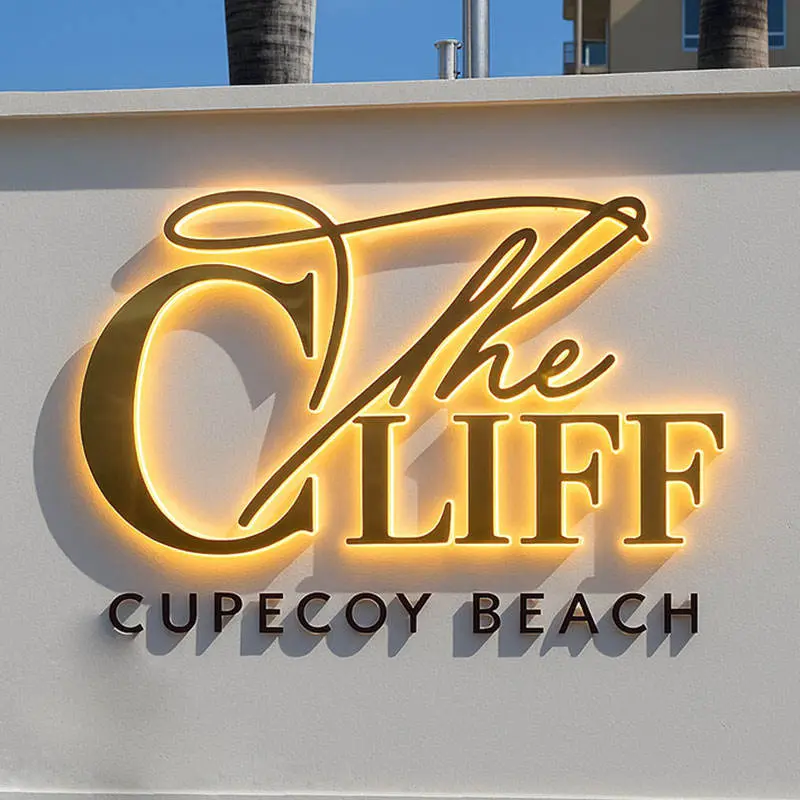
The setup is simpler than it looks. You've got aluminum letter shells with solid fronts. LEDs go inside, but instead of pointing forward, they point backward at the wall. Flip the switch and light bounces off the wall, creating that outline effect around each backlit letter. People call it a halo effect. Backlit channel letters look best on light-colored, flat walls. If you've got dark brick or rough concrete, the wall soaks up too much light and your backlit letters won't pop like they should.
The tricky part with backlit letters is getting the LEDs positioned right inside each letter. They need to sit at exact angles and distances from the edges. Mess this up and you get bright spots mixed with dim spots - looks terrible. Good backlit letter shops know exactly where to put LEDs based on how big the letters are and how deep. That's what makes some backlit channel letters look great while others look cheap.
Not all backlit channel letters are built the same. Better ones use aluminum that's 0.080 to 0.100 inches thick. Thinner stuff costs less but it warps. Hot days, cold nights - the metal expands and contracts. I've seen backlit letters made with thin aluminum get wavy-looking within a couple years. Warped backlit channel letters create uneven halos that scream "low quality."
LED brands matter way more than most people realize. Cree, Osram, Samsung - these run 50,000+ hours in backlit channel letters before they start dimming noticeably. That's 8-10 years running every night. Cheap no-name LEDs? They're failing within 18-30 months. Quality LEDs cost more, but replacing them in backlit channel letters is much more expensive due to labor.
Water kills backlit letters fast. If water gets inside, LEDs die and everything corrodes. Quality manufacturers seal everything with silicone and use waterproof connectors. Poor sealing often leads to 30-40% LED failure in under 2 years. Spending more upfront on proper sealing saves you from expensive fixes later.