

Cheap Backlit Sign Logo Led Light Luminous Letters for Advertising Display Manufacturers, Product

Backlit Channel Letters: Technical Considerations and Applications 

Backlit letter technology has evolved significantly over the past decade. What started as a niche option for high-end businesses has become more accessible, though it still commands a premium over standard frontlit systems. Understanding the technology helps determine whether the investment makes sense for your situation.  

Product Description

How Backlit Systems Function

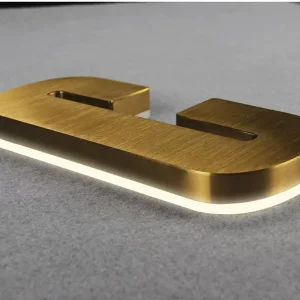
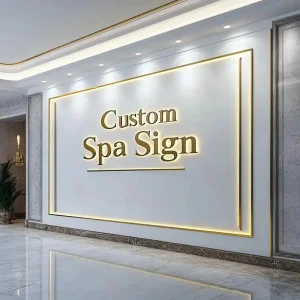
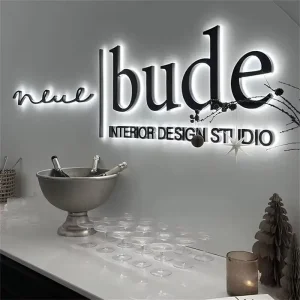
The basic principle is simple - light shines backward instead of forward. Each letter consists of an aluminum shell with a solid face (usually acrylic or metal). LED strips mount inside, positioned to direct light toward the wall rather than through the face.

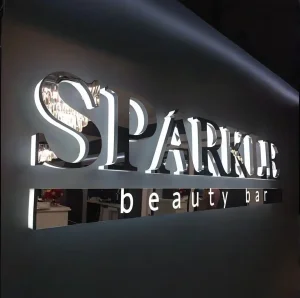
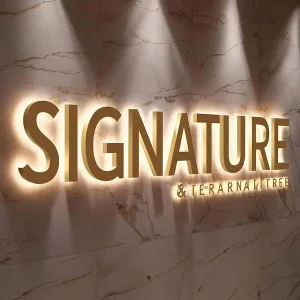
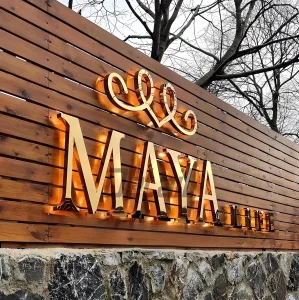
When powered on, light bounces off the mounting surface and creates a glow around each letter's perimeter. The effect is sometimes called a "halo" because the letter appears outlined in light against the wall.

This approach requires proper wall surfaces. Light-colored, smooth walls work best. Dark walls absorb too much light, reducing visibility. Textured or uneven surfaces create irregular halos that look amateurish. Some installations include separate backer panels - painted boards mounted behind letters to provide consistent light-colored surfaces regardless of the actual wall color.

Construction Details

Quality backlit letter systems use specific construction methods to ensure durability and aesthetic appeal:

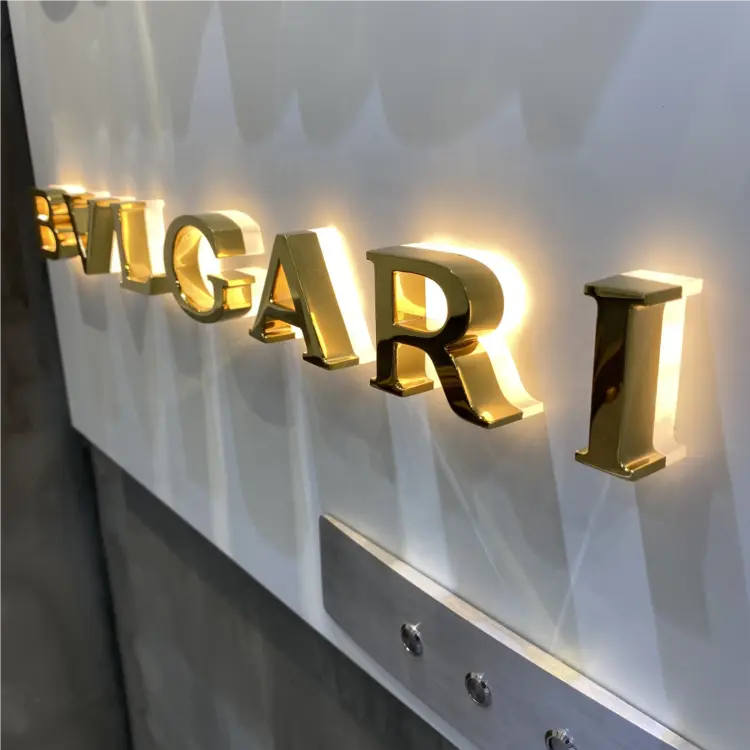
Aluminum Thickness Most manufacturers use 0.080-inch aluminum or thicker. The solid faces and internal LED positioning create different structural requirements than frontlit designs. Thinner aluminum may warp, affecting how evenly light distributes.
Face Materials Unlike frontlit letters, backlit systems don't require translucent faces. Common options include brushed aluminum, painted aluminum, or solid acrylic. The face just needs to block light from shining forward.
LED Positioning Critical for even halo distribution. LEDs must be angled correctly and positioned at consistent distances from letter edges. Poor positioning creates bright spots and dim areas.
Depth Requirements Backlit letters typically run 5-6 inches deep, sometimes more. The extra depth accommodates LED positioning and helps distribute light evenly. Shallow letters often have uneven halos.

Case Pictures

Frequently Asked Questions

What is the "halo effect" in signage?
The halo effect occurs when light is directed toward the wall behind the sign rather than through the face of the letters, creating a soft glow that outlines each character.
Which wall surfaces work best for backlit letters?
Light-colored and smooth surfaces are ideal as they reflect the light effectively. Dark or highly textured walls may absorb the light or create irregular, unprofessional shadows.
How deep are backlit letters usually?
Standard backlit letters are typically 5 to 6 inches deep. This depth is necessary to properly position the LEDs and ensure an even distribution of light for a consistent halo.
Can I use metal for the face of backlit letters?
Yes. Unlike frontlit letters, backlit systems use solid faces such as brushed or painted aluminum to block light from the front and force it toward the back.
What happens if the aluminum used is too thin?
Thinner aluminum can warp over time. This warping affects the internal LED positioning, leading to uneven light distribution and a lower-quality visual effect.
What are backer panels used for?
Backer panels are painted boards mounted behind letters to provide a consistent, light-colored reflective surface if the original wall is dark or unsuitable for light reflection.

Related Products