
In the competitive real estate market, understanding the "Signs For Buildings" that attract buyers is crucial. A recent report by the National Association of Realtors highlights that 89% of home buyers initiate their search online. This trend signals the importance of curb appeal and digital presence. Properties with appealing signage and well-maintained exteriors see a significant increase in buyer interest.
Moreover, research indicates that well-designed promotional materials can enhance a property's visibility. A study from the National Association of Home Builders shows that 70% of buyers are influenced by marketing strategies, including visual signs. Properties that reflect modern design trends and sustainable features also stand out. Potential buyers are looking for eco-friendly options. This is a vital point for developers and sellers attempting to attract a younger demographic.
However, it’s essential to note that not all signs work effectively. Poorly designed signs or unclear messaging can deter potential buyers. Flexibility in marketing strategies may be needed. The landscape continues to evolve, and staying updated is critical for success. Balancing appealing design and effective communication can significantly impact buyer decisions. Understanding these dynamics is key for anyone in the real estate industry.
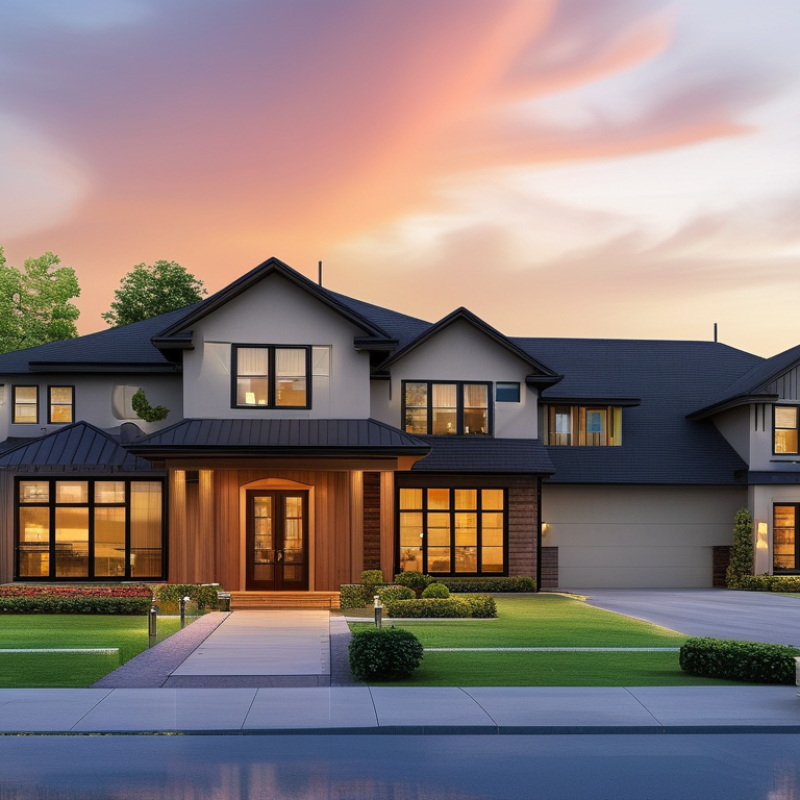
Architectural features play a critical role in attracting buyers to a property. Potential homeowners often seek buildings that offer both aesthetic appeal and practical benefits. High ceilings and large windows create spacious, bright interiors, enhancing the overall ambiance. Outdoor living spaces, like balconies or patios, provide buyers with additional areas for relaxation or entertaining guests.
Color schemes also matter. Subtle, neutral tones invite a broader audience, allowing buyers to envision their personal touch. Open floor plans contribute to flow and connectivity within the home, making it feel larger and more inviting. However, over-customized designs can alienate some buyers, making it essential to strike a balance.
Landscaping is an important element. Curb appeal is the first impression, and well-maintained gardens can significantly impact a buyer's perception. Driveways that complement the house design create a cohesive look. It’s crucial to avoid overly extravagant features that may seem intimidating or impractical. Buyers appreciate charm and function, often looking for a space that feels like home from the moment they arrive.
| Feature | Description | Impact on Appeal |
|---|---|---|
| Curb Appeal | The visual attractiveness of the property's exterior, including landscaping and facade. | High |
| Floor Plan | An efficient and functional layout that maximizes use of space. | Critical |
| Natural Light | Windows and openings that allow ample sunlight, creating a bright environment. | High |
| Quality Materials | Use of durable and aesthetically pleasing materials in construction. | High |
| Sustainability | Incorporation of eco-friendly features, such as energy-efficient systems. | Growing Importance |
| Outdoor Space | Balconies, patios, or gardens that provide additional usable space. | Moderate |
| Modern Amenities | Up-to-date facilities such as smart home technology and fitness centers. | High |
: High ceilings and large windows create bright, spacious interiors. Outdoor spaces are also appealing for relaxation or entertaining.
Neutral tones invite a broader audience. Buyers can easily envision their personal touch in such spaces.
Well-maintained gardens and complementary driveways enhance first impressions. Buyers appreciate charm and function.
Prime locations boost desirability. Proximity to schools and amenities attracts potential buyers significantly.
Neighborhoods with good schools, parks, and public transport are favored. Buyers often prioritize accessibility.
High crime rates and limited access can scare potential buyers away. The overall environment must be evaluated.
Energy-efficient homes and open floor layouts are highly sought after. Modern appliances that save energy are also important.
Families prioritize safety and school quality. Young professionals may seek vibrant nightlife and job access in locations.
Understanding buyer needs helps in making informed investment choices. Not every location appeals to every buyer type.
Budget constraints can lead buyers to choose location over space or features. Reality often shapes their ideal home desires.
The article "What Are the Essential Signs for Buildings to Attract Buyers?" delves into key elements that enhance property appeal. Notably, architectural features such as modern design and functionality significantly influence buyer interest. The location of a building plays a crucial role, with proximity to amenities, schools, and transportation being essential signs for buildings that draw potential buyers. Additionally, essential amenities like gyms, pools, and green spaces can substantially elevate a property's value.
Curb appeal is another vital factor; a visually appealing exterior can lead to quicker sales by creating a strong first impression. Lastly, the article examines current market trends, emphasizing how understanding buyer preferences in residential real estate is imperative for attracting interest. Overall, implementing these signs for buildings can help sellers position their properties more effectively in a competitive market.
