
Indoor signage plays a crucial role in shaping customer experiences within various business environments. According to a recent study by the Sign Research Foundation, effective indoor signage can increase customer understanding by 83%. This statistic highlights an essential function of indoor signage; it acts as a guide, directing clients smoothly through spaces. Experts in the field, like Sarah Johnson, emphasize the significance of this medium, stating, "Clear signage can make or break a customer's visit."
The effectiveness of indoor signage is not just about aesthetics. It contributes to overall brand communication and engagement. In a competitive marketplace, businesses must invest strategically in their signage. A report from the International Sign Association suggests that 74% of consumers say they have failed to enter a business because of confusing signage. This points to a gap that businesses need to recognize and address.
While many companies focus on their external branding, overlooking indoor signage can lead to missed opportunities. Reflecting on the quality and clarity of indoor signage is essential. Without it, businesses risk losing clientele who may struggle to navigate their space. Hence, investing in high-quality indoor signage is not just an option; it’s a necessity for businesses aiming to enhance customer satisfaction and loyalty.
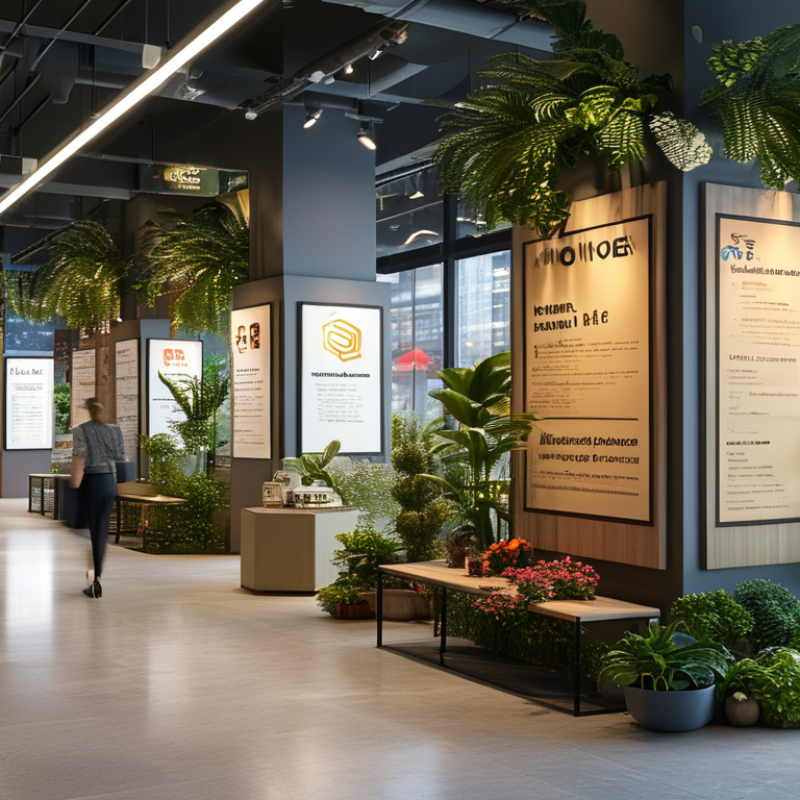
Indoor signage encompasses various types of visual communication tools used within a business environment. This includes wayfinding signs, promotional displays, and informational boards. These signs guide customers effectively, enhancing the overall experience. According to a study by the American Society of Interior Designers, 70% of people say they have difficulty locating a business without proper signage.
Wayfinding signs are essential in large spaces like hospitals and malls. They direct customers to their desired locations, thereby reducing frustration. Informational displays, such as menus or digital screens, inform customers about products or services. Promotional signs can boost visibility for special offers, potentially increasing sales by over 20%, as noted by the Sign Research Foundation.
Tips: Invest in high-quality materials that withstand wear and tear. Ensure signage is visible and legible from a distance. Regularly update your displays to keep them relevant. Reflect on how your signage can improve customer flow and satisfaction. A well-considered signage strategy not only informs but creates a welcoming atmosphere that encourages return visits.
| Type of Indoor Signage | Purpose | Common Uses | Material Options |
|---|---|---|---|
| Directional Signs | Guide visitors to specific locations | Hospitals, airports, corporate offices | Acrylic, metal, wood |
| Informational Signs | Provide relevant information to visitors | Museums, libraries, schools | Vinyl, paper, plastic |
| Promotional Signs | Advertise products or services | Retail stores, trade shows | Fabric, cardboard, metal |
| Compliance Signs | Ensure safety regulations are met | Factories, construction sites | Plastic, metal, stickers |
| Wayfinding Signs | Help navigate complex environments | Shopping malls, universities | Wood, acrylic, illuminated |
: Indoor signage enhances customer experience and guides people through spaces effectively.
Studies show 68% of customers feel signs affect their choices when shopping.
Quality signage can lead to a 30% boost in customer satisfaction ratings.
Clarity, legible fonts, high-contrast colors, and proper placement are key design elements.
Well-used imagery can simplify messages, but overuse can confuse customers.
Consistent designs improve brand recognition but should allow for some flexibility.
Regular reviews based on customer feedback and changing dynamics are crucial.
Misplaced signs can lose their purpose and create confusion among customers.
Effective signage can increase sales by drawing in customers and guiding them easily.
Language and messaging should be appropriate for the target audience to enhance engagement.
Indoor signage refers to a variety of visual communication tools used within buildings to convey information and guide customers. It encompasses types such as directional signs, informational displays, and promotional material. Effective indoor signage plays a crucial role in enhancing customer experience by making navigation easier and providing valuable information, thus fostering a welcoming environment.
The benefits of indoor signage for businesses are significant, including increased customer engagement, improved brand recognition, and higher sales conversions. When designing indoor signage, considerations such as clarity, visibility, and aesthetic integration with the environment are essential. Best practices for implementation involve strategic placement and ensuring that the signage aligns with the overall branding strategy. By prioritizing effective indoor signage, businesses can create a more organized and inviting atmosphere for their customers.
