
1 / 3
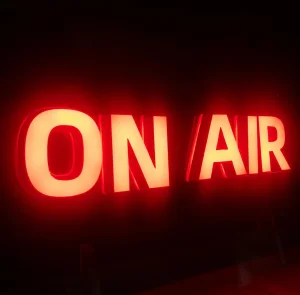
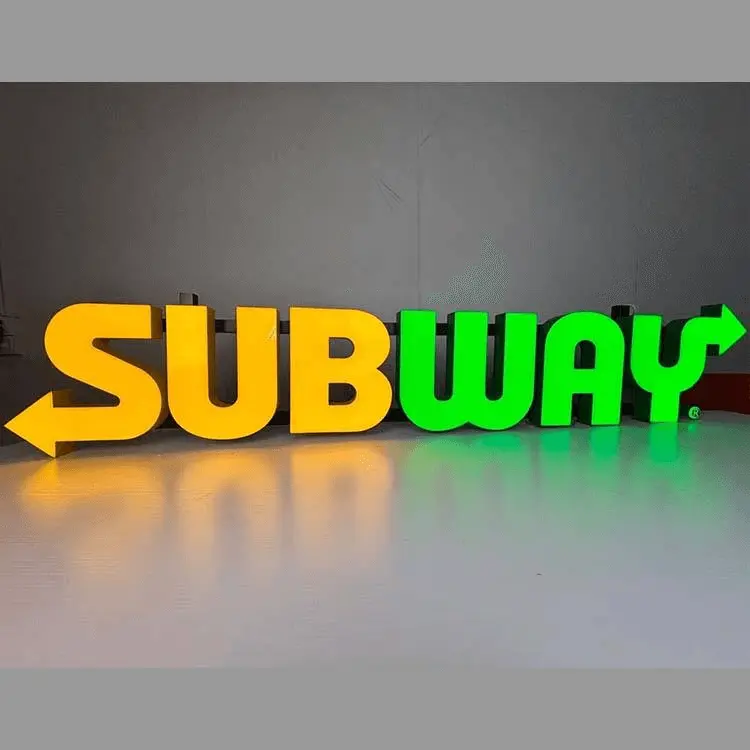
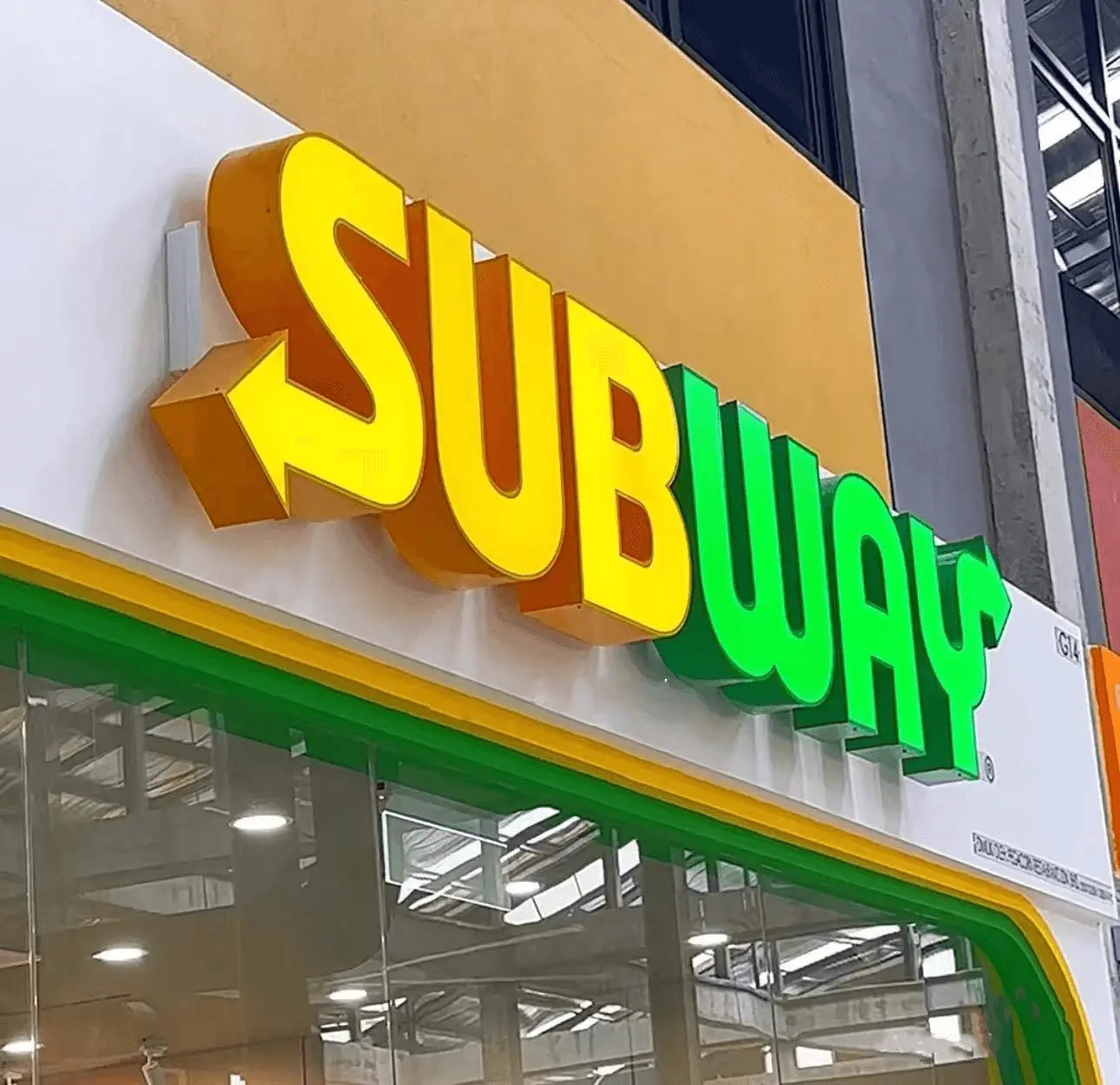
Frontlit letters are a simple yet effective concept in LED signage. These consist of aluminum boxes shaped like letters with translucent fronts made from materials like acrylic or polycarbonate. LEDs placed inside the frontlit channel letters point toward the face. When turned on, the light shines through the front material, creating a vibrant glow. This straightforward setup avoids the complexity of backlit systems while ensuring maximum visibility.
Material Selection: Clear acrylic provides maximum brightness but requires precise LED spacing to avoid visible "hot spots." Frosted faces offer better light diffusion for a smoother look, though they may reduce brightness by 20-30%. Most professional signs use a semi-translucent balance for even illumination.
LED spacing is a critical factor in determining the professional quality of the sign. Insufficient LED density results in spotty, uneven illumination that looks low-quality. Expert manufacturers calculate the exact LED density required based on the letter size to ensure a premium finish, whereas cheaper alternatives often skimp on LEDs to save costs.
Aluminum thickness plays a vital role in the structural integrity of the sign. Standard frontlit LED letters typically use 0.063-0.080 inch aluminum. For larger displays, a thickness of 0.080-0.100 inch is recommended to prevent warping from heat or weight over time.
The longevity of your sign depends heavily on the LED brand. High-quality components from brands like Cree, Osram, and Samsung can run for over 50,000 hours—providing 8-10 years of reliable nightly performance. In contrast, budget LEDs often fail within 18-30 months. While quality LEDs may increase initial costs, they significantly reduce the long-term expense of labor and maintenance.