1 / 3

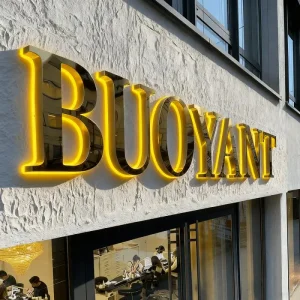
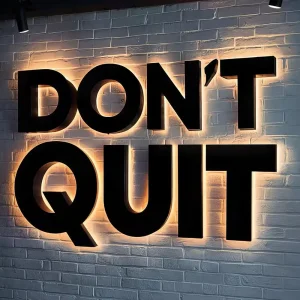
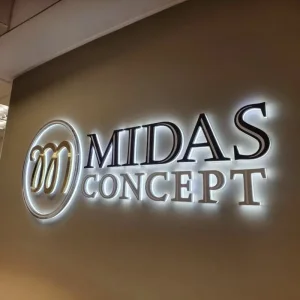
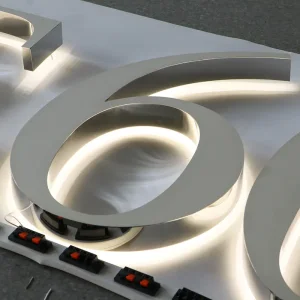
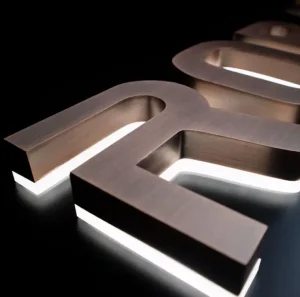
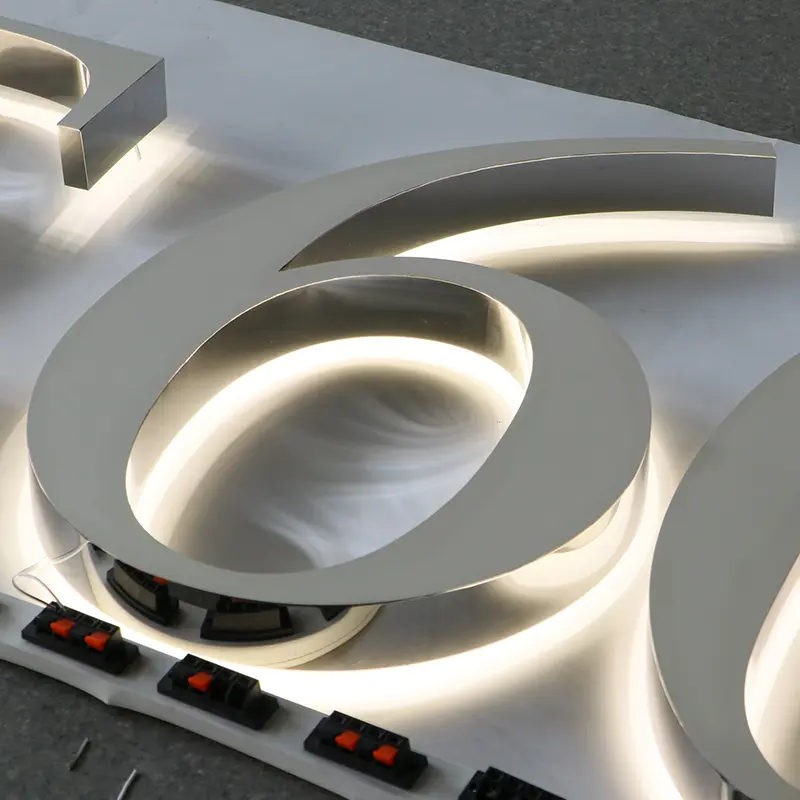
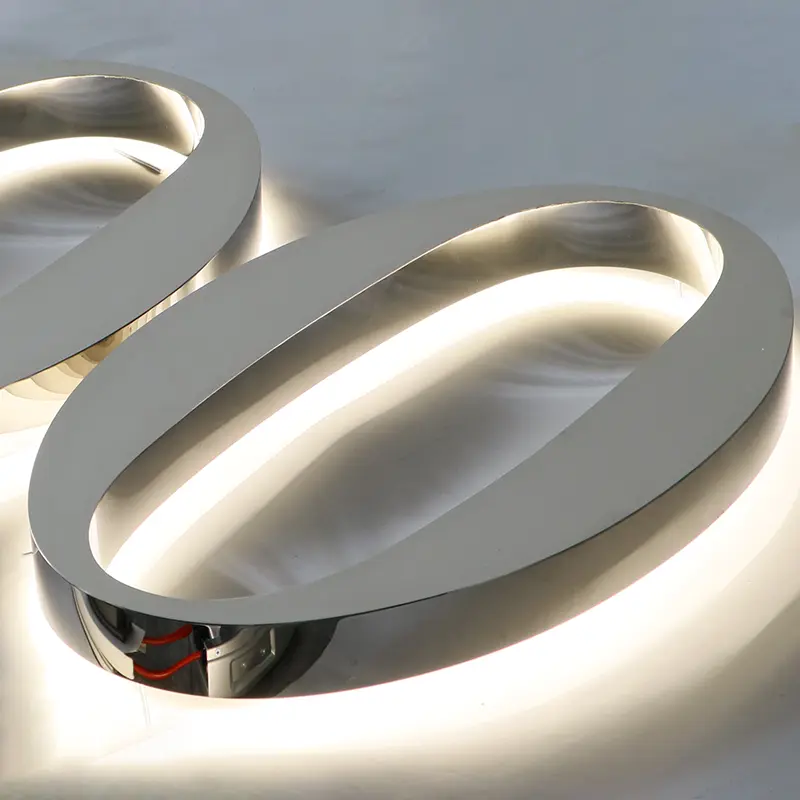
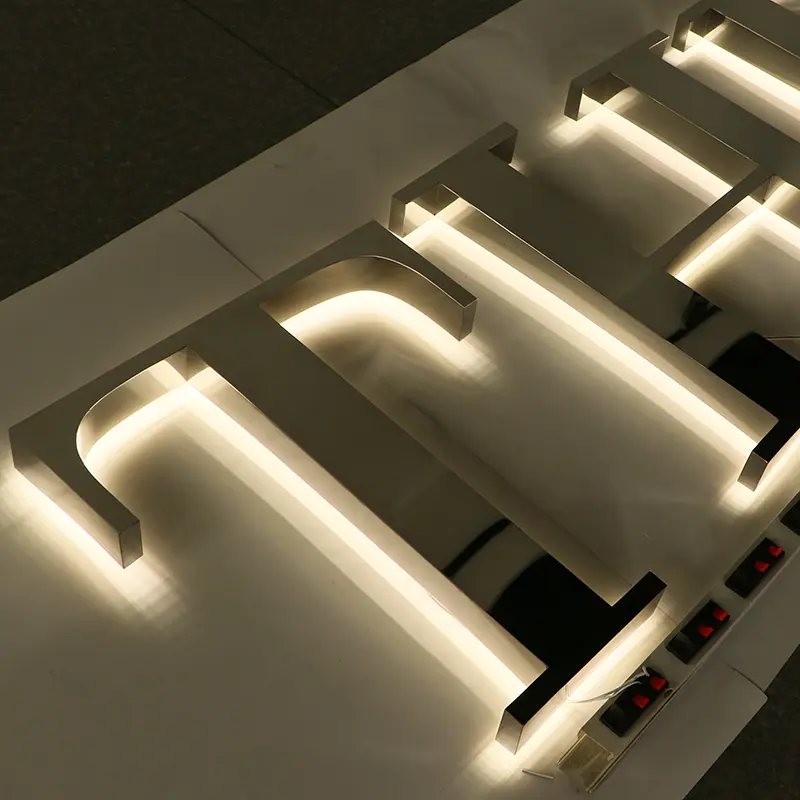
LEDs mount inside aluminum letters facing backward, spaced about one to two inches from your wall. Light hits the surface and reflects to form that halo outline. The spacing needs to stay consistent or you get uneven lighting - bright in some spots, dim in others.
Your wall condition matters a lot here. Smooth painted walls reflect light evenly for clean halos. Damaged walls, peeling paint, or rough texture mess up the lighting and make it look cheap. Most quotes don't include wall prep, which can add cost depending on what needs fixing.
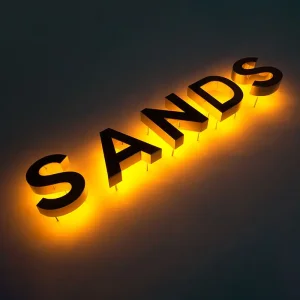
During the day these show up as metal letter shapes on your building. At night the halo makes them visible, though not as bright as frontlit options. This works on slower streets and shopping areas where people have time to notice. Highways or busy strips with competing lights? The subtle glow gets lost.
Good backlit channel letters use aluminum around 0.080 inches thick. This keeps the shape stable and maintains consistent wall spacing. Thinner metal warps from heat and weather, which changes spacing and ruins the halo effect.
Commercial LEDs rated for 100,000-120,000 hours last about ten to fifteen years of nightly use. Proper ventilation prevents heat buildup that shortens LED life or creates hot spots. You can't judge quality until you see them lit at night - well-made signs have even halos with consistent brightness, while cheap ones show bright spots, dark patches, and uneven glow.
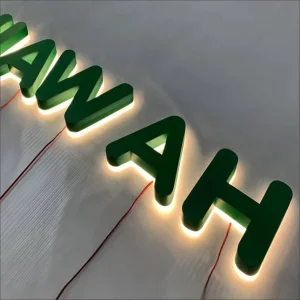
Brushed aluminum faces look modern and hide fingerprints better than polished metal. Painted faces match your brand colors - darker shades create stronger contrast with the white glow at night. Powder coating adds durability and texture choices.
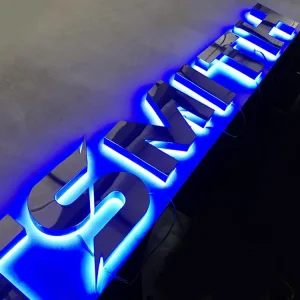
Most use white LEDs. Warm white gives softer glow for restaurants and hospitality. Cool white looks sharper for offices and medical practices. Colored halos are possible but limit flexibility if you rebrand.
Installing backlit LED signs takes more precision than frontlit because spacing errors show immediately. Professional installers use mounting systems that hold each letter at the exact same distance from the wall. They measure multiple points to verify consistency.
Wall preparation often costs extra. If your wall has damage, stains, or wrong paint color, you need to fix that first. Get clear answers about wall work before committing.
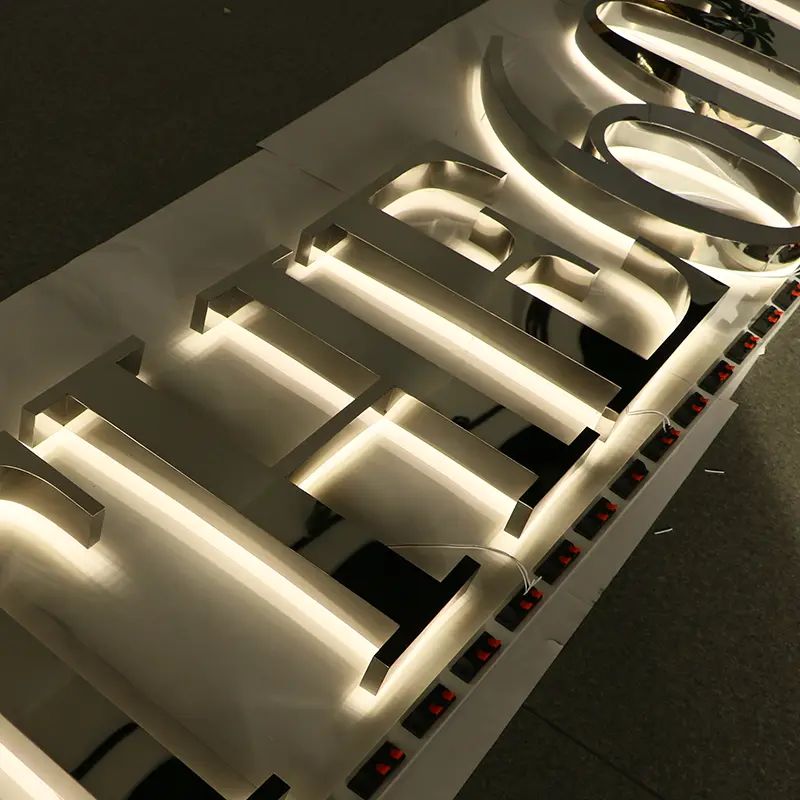
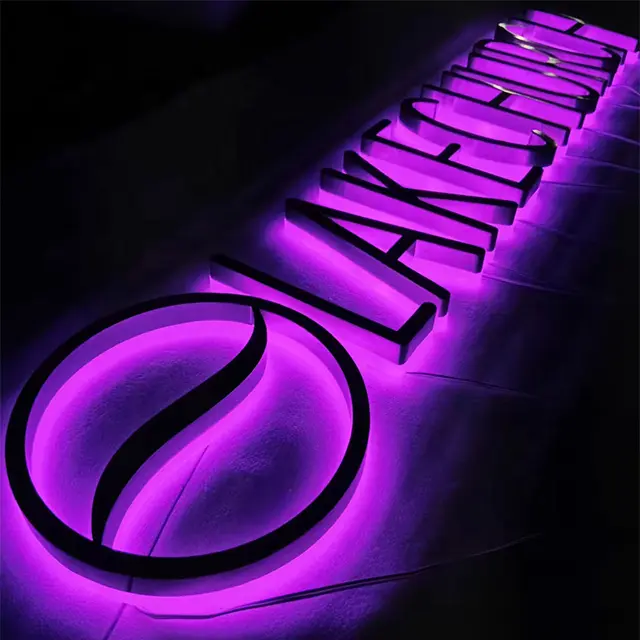

A: LEDs are mounted inside the letters facing the wall. When the light hits the wall surface, it reflects back around the edges of the letter, creating a soft glow or halo outline.
A: Yes, significantly. Smooth, clean, and properly painted walls reflect light evenly. Rough textures or damaged surfaces can cause uneven lighting and hot spots.
A: High-quality commercial LEDs are typically rated for 100,000 to 120,000 hours, which equates to approximately 10 to 15 years of standard nightly use.
A: Professional-grade backlit letters usually use aluminum that is about 0.080 inches thick to prevent warping and ensure consistent spacing from the wall.
A: Yes. While cool white is common for a sharp look and warm white for a softer feel, colored LEDs are available, though white offers the most flexibility for branding.
A: Because the halo effect depends on precise spacing. Any slight misalignment or distance variation from the wall will result in visible, uneven lighting.