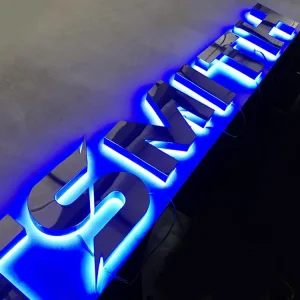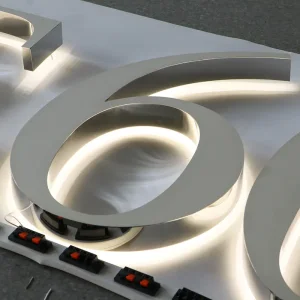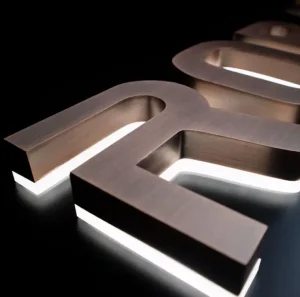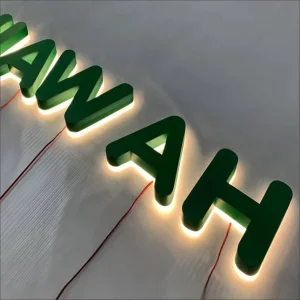
Custom 3D Stainless Steel Backlit Letters for Business Facades

The Chemistry of Installation: Silicone and Expansion

Here is a mistake that destroys signs before they even turn on: using the wrong silicone. Many installers grab standard bathroom caulk to seal a backlit letter against the wall. If that silicone smells like vinegar, it releases acetic acid as it cures. These acidic fumes get trapped inside the backlit letter and chemically corrode the delicate gold wires inside the LED chips, causing them to turn black and fail within weeks. We strictly use (and supply) industrial-grade Neutral Cure Silicone (oxime-based) that releases no corrosive fumes, ensuring the electronics remain safe.

Product Description

Physics & Thermal Expansion

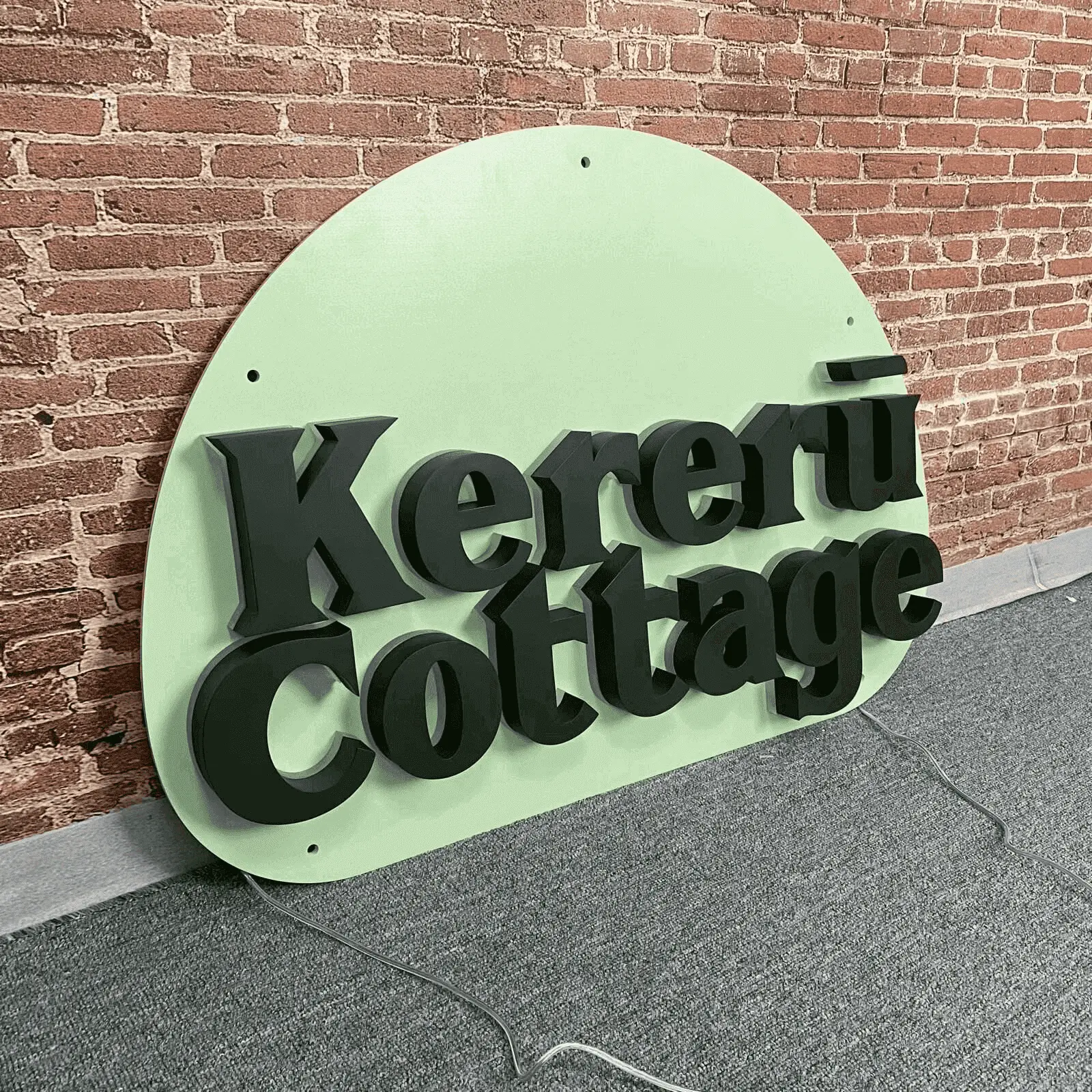
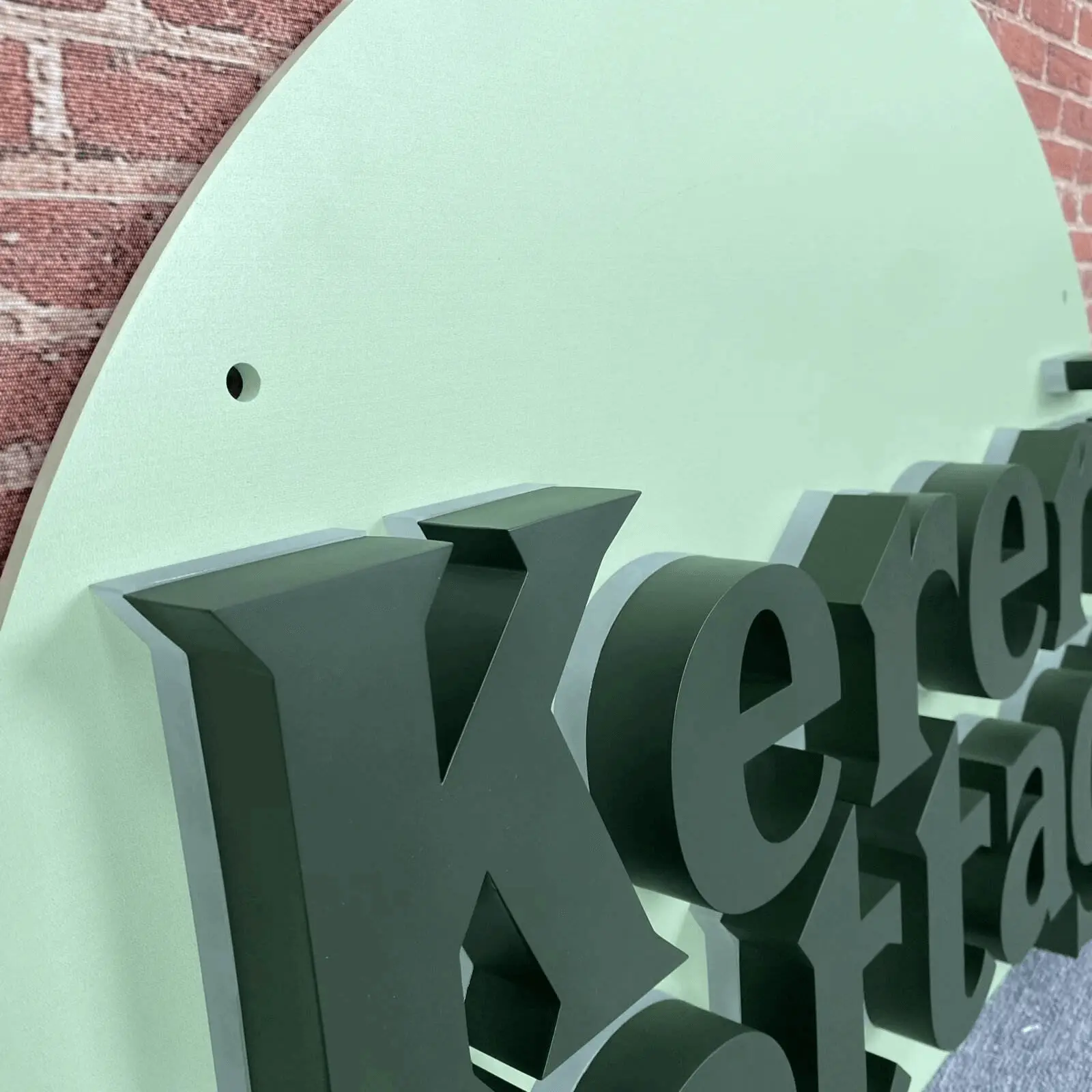
Physics plays a huge role when building large signage. Acrylic expands and contracts with temperature much more than metal does. If you bolt a 4-foot acrylic backer tightly to a metal shell, the first hot summer day will cause it to warp or snap.

To prevent this, we drill "oversized expansion holes" in the acrylic back of every large backlit letter. We then use washers with a Teflon spacer. This allows the acrylic back of the backlit letter to "float" and slide slightly as it expands in the heat, preventing stress cracks that would otherwise ruin the sign.

Advanced Water Management

Water management isn't just about sealing holes; it is about gravity. We utilize the "Drip Loop" technique. When the wire comes out of the wall and enters the back of the backlit letter, you should never run it straight down. Rainwater will cling to the wire and flow right into the connection.

Instead, we leave a small U-shaped slack in the wire below the entry point. This forces water to drip off the bottom of the loop rather than entering the backlit letter electronics. It is a zero-cost trick that saves thousands in water damage repairs.

Maintenance for Massive Logos

Imagine a backlit letter that is 6 feet tall. The acrylic back panel is too heavy for one person to hold while trying to service the LEDs. For these giants, we use a "Split-Back" design.

We cut the acrylic backer into manageable interlocking sections. If a driver fails, maintenance only needs to unscrew one small section of the backlit letter backer to reach the power supply, rather than wrestling with a heavy, dangerous sheet of plastic high up on a ladder.
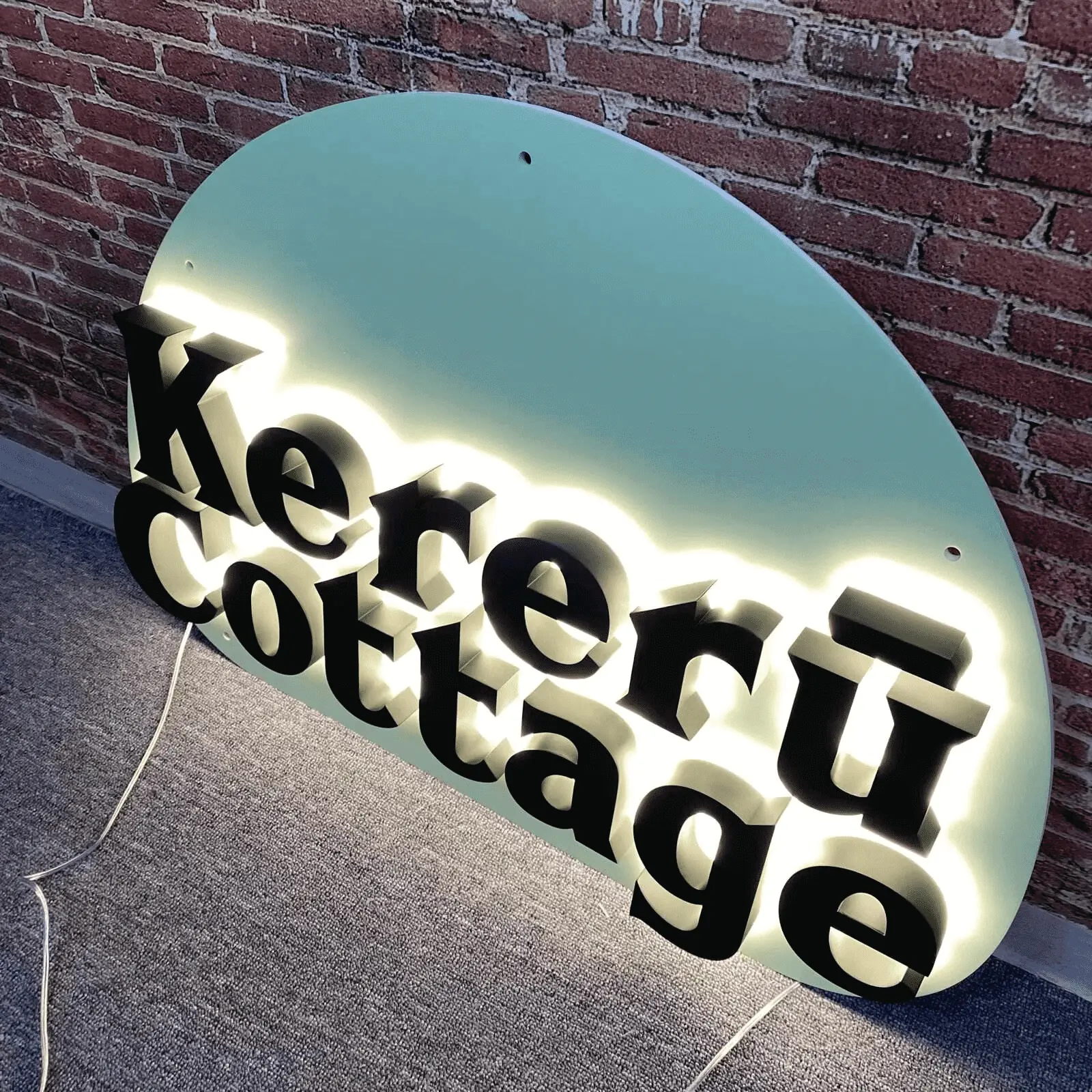
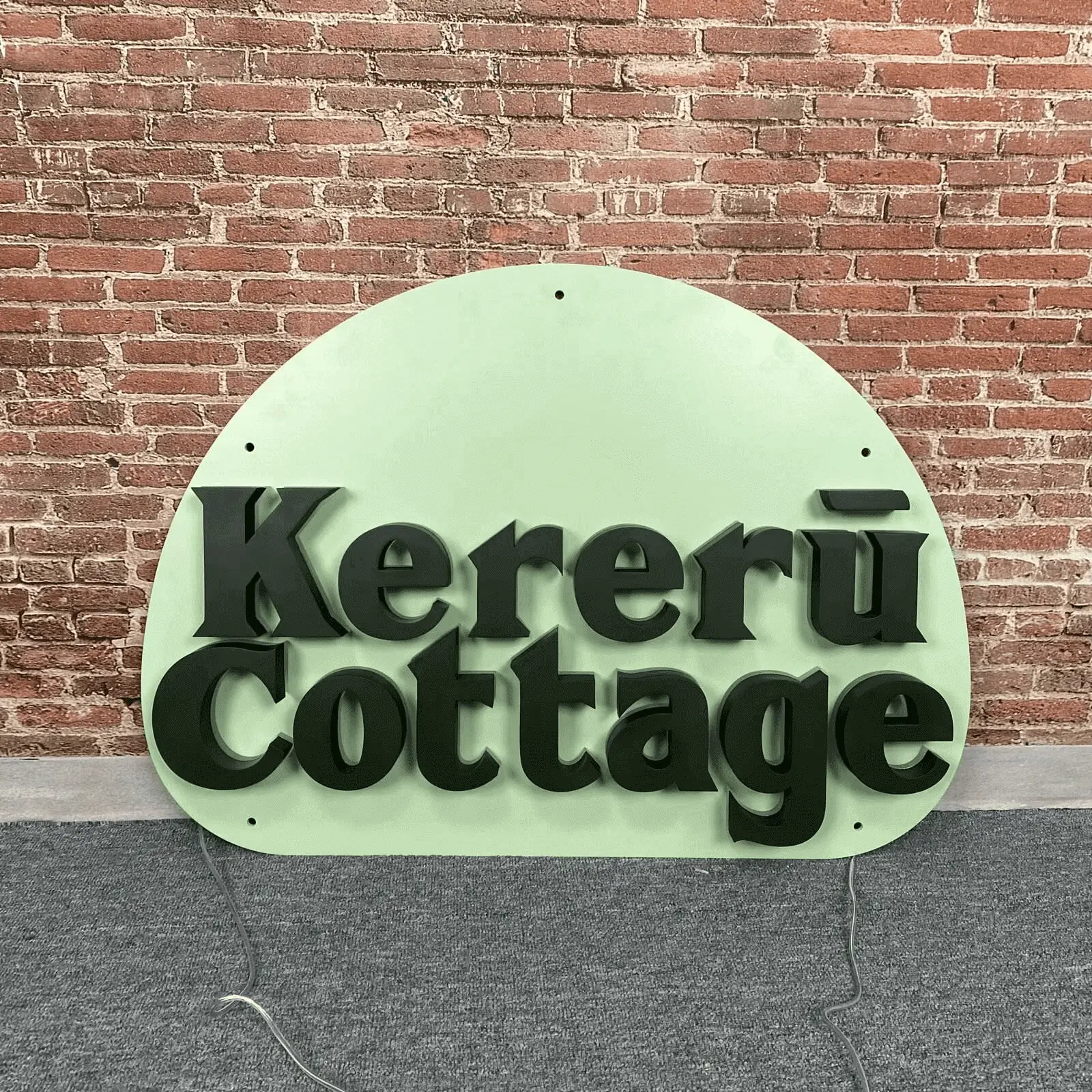
Case Picture

Frequently Asked Questions
How do you prevent large acrylic signs from warping?
We use "oversized expansion holes" combined with Teflon spacers. This allows the acrylic to "float" and expand or contract with temperature changes without snapping or warping.
What is the "Drip Loop" technique in signage?
A Drip Loop is a U-shaped slack left in the wiring below the entry point of the letter. Gravity forces rainwater to drip off the bottom of the loop instead of following the wire into the electronics.
Why is maintenance difficult for massive backlit logos?
Massive logos (e.g., 6 feet tall) have heavy acrylic backers that are dangerous for one person to handle on a ladder. Traditional one-piece designs make LED or driver replacement very difficult.
What are the advantages of a "Split-Back" design?
The Split-Back design divides the backer into interlocking sections. This allows maintenance crews to remove only the small section needed to access the power supply, increasing safety and efficiency.
Does temperature affect backlit letter durability?
Yes, acrylic expands much more than metal. Without proper expansion management, heat can cause stress cracks and physical damage to the sign structure.
How can water damage repairs be minimized?
By implementing simple gravity-based solutions like Drip Loops and ensuring proper sealing, you can prevent water from reaching sensitive internal electronics.

Related Products