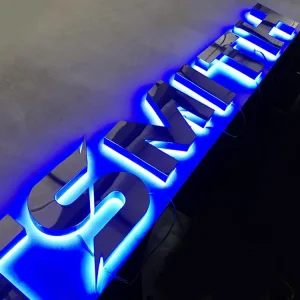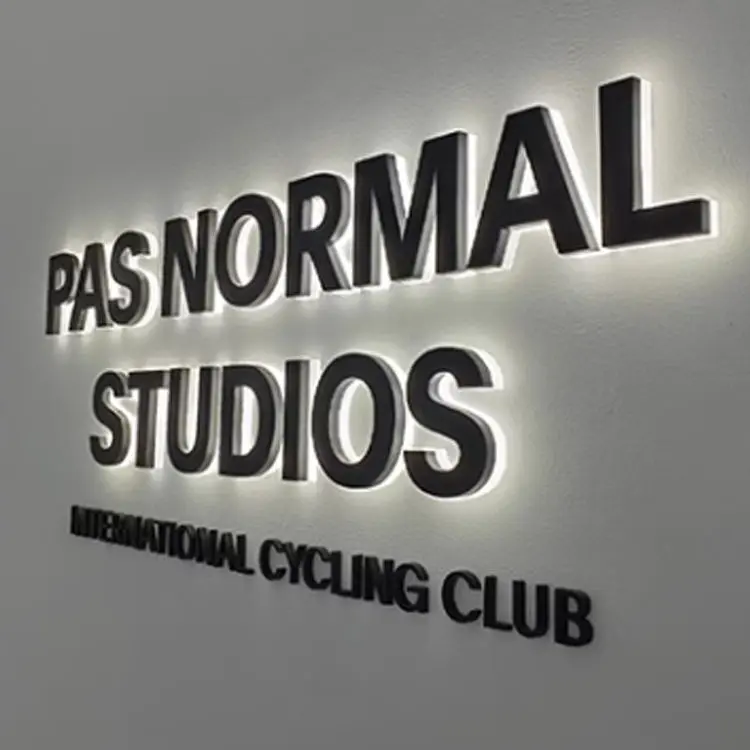
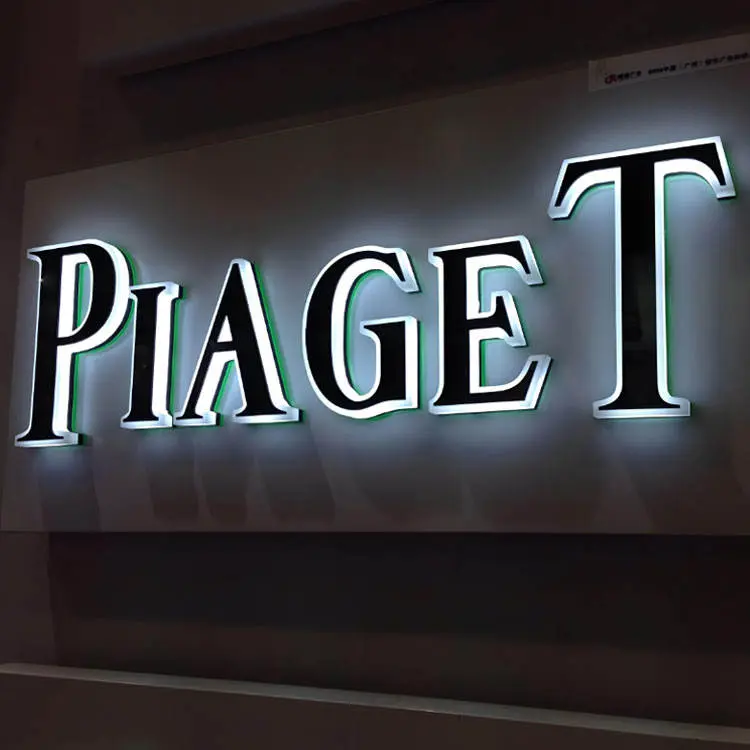
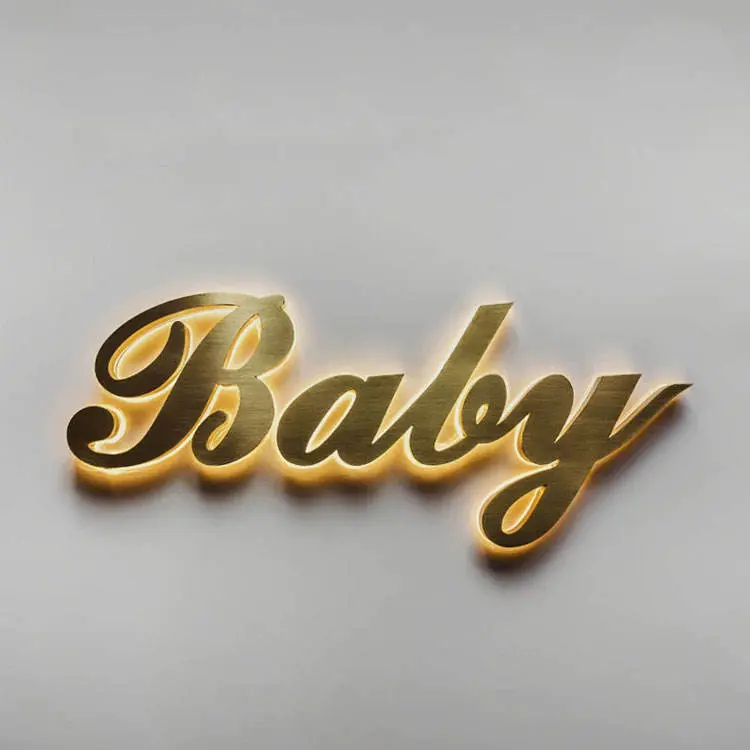
Wholesale Mirror Gold 3D Backlit Sign Letters Luxury Halo Effect for Storefront Companies, Company

The Hidden Details Behind a Bright Backlit Letter

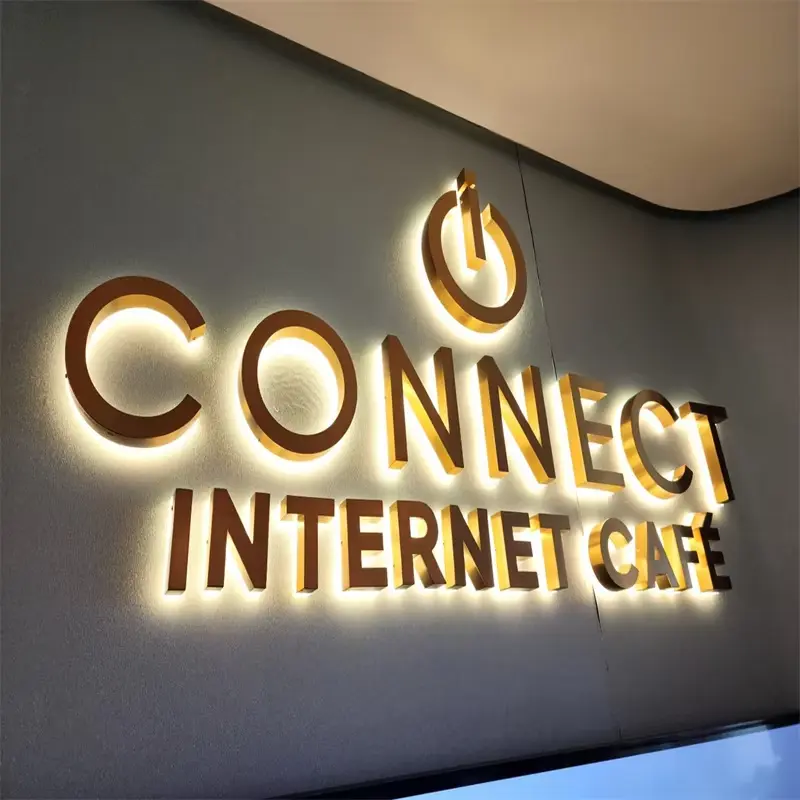
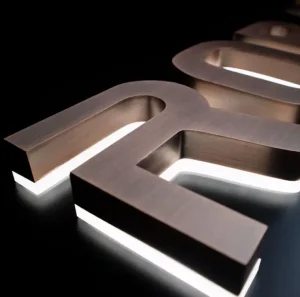
Creating a high-quality backlit letter isn't just about what you see on the outside; it is about how we manipulate light on the inside. Here is a trade secret most factories won't tell you: raw stainless steel is actually terrible at reflecting light. It’s dark and grey. That is why, before we install any LEDs, we paint the inside of every single metal shell with a special high-reflectance matte white paint. This simple step forces 98% of the light to bounce out the back onto your wall, making your backlit letter glow significantly brighter than a standard sign using the exact same power source.

Product Description

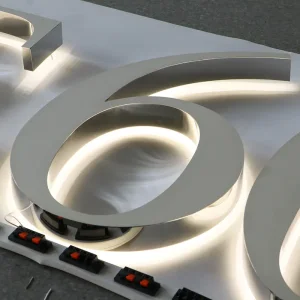
Another issue we see with cheap imports is the "shadow gap." If the LEDs are spaced too far apart inside the letter, you get dark spots in the halo. We don't cut corners here. We use high-density LED strips (typically 60 to 120 chips per meter) arranged in a tight zigzag pattern.

By packing the LEDs closer together, we ensure the light overlaps perfectly before it even leaves the shell. It guarantees that smooth, continuous ribbon of light that makes a backlit letter look premium rather than like a connect-the-dots project.

Finally, we have to talk about reliability. Electronics usually fail in the first 48 hours if they have a manufacturing defect. We don't want that happening on your building. So, once your sign is assembled, we move it to our "Aging Room."

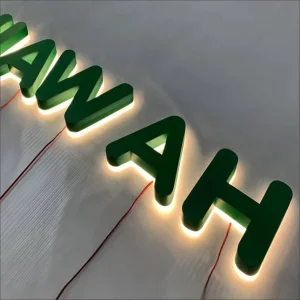
We power up every backlit letter and leave it running at full brightness for a continuous 72-hour burn-in cycle. We monitor the temperature and color consistency. If a module is going to fail, we want it to fail here in the shop, so we can replace it before it ever gets packed into the crate.
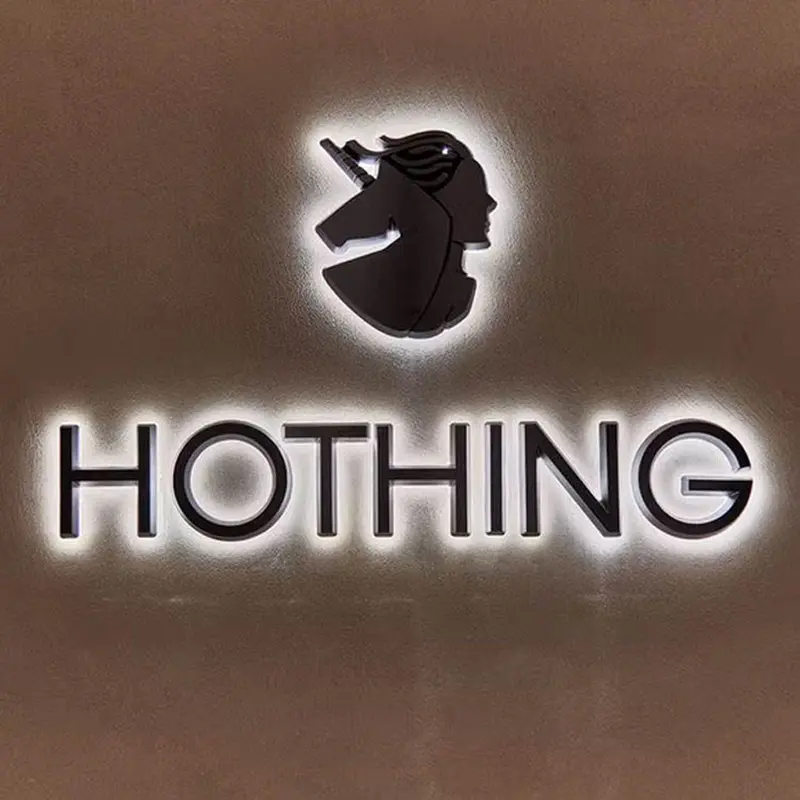
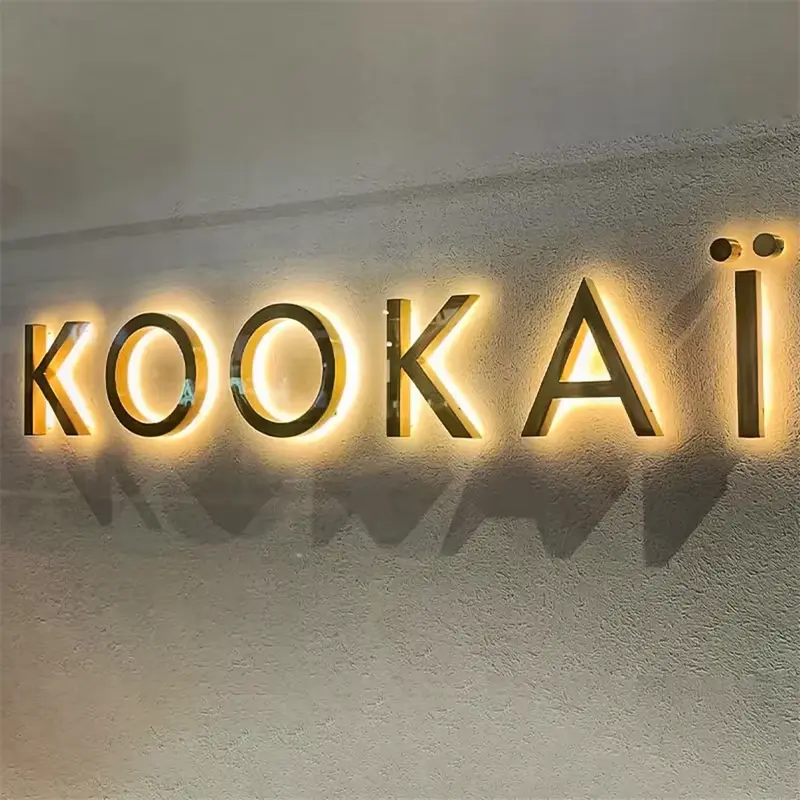
Case Pictures

Frequently Asked Questions

Why is high-density LED strip spacing important for backlit letters?
High-density LED strips (60-120 chips per meter) eliminate the "shadow gap" effect. By spacing LEDs closely in a zigzag pattern, the light overlaps seamlessly, creating a smooth, continuous halo glow rather than visible dark spots.
What is the "72-hour burn-in cycle" for signage?
The burn-in cycle is a rigorous reliability test where we power the backlit letters at full brightness for 72 continuous hours. This helps identify any potential manufacturing defects or electronic failures before the product is shipped.
How do you ensure color consistency across all letters?
During our aging process in the dedicated Aging Room, we monitor both temperature and color output. This ensures that every letter in your sign produces the exact same hue and brightness for a professional, premium look.
Are these backlit signs suitable for long-term outdoor use?
Yes. By using high-quality LEDs and conducting extensive reliability testing, we ensure our signs can withstand the demands of storefront environments, avoiding the early failures common in cheaper imports.
What causes the "connect-the-dots" look in some LED signs?
This usually happens when manufacturers use cheap LEDs spaced too far apart to save costs. Our method uses high-density chips to ensure a premium, uniform ribbon of light that enhances the building's aesthetic.
Can you replace modules if they fail during the testing phase?
Absolutely. The purpose of our Aging Room is to catch any failures in-house. If a module fails during the 72-hour test, it is replaced immediately, ensuring that only a perfect, fully functional sign is crated for delivery.

Related Products