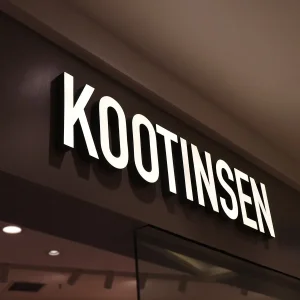
In the high-stakes arena of modern retail, the "Custom Supermarket Signboard" has transcended its traditional role as a simple identifier. Today, it serves as the cornerstone of Visual Merchandising 4.0. As global retail giants like Walmart, Carrefour, and ALDI pivot towards experiential shopping, the demand for sophisticated, durable, and energy-efficient signage has surged. The industry is witnessing a seismic shift from passive illumination to Dynamic Semantic Branding, where the sign communicates the store's values, sustainability commitments, and technological edge before the customer even enters.
 Global Procurement Trends & Demand Drivers
Global procurement teams are no longer just looking for the lowest price. The current "User Intent" in B2B signage search revolves around Total Cost of Ownership (TCO). Factors such as IP67 waterproofing, UV-resistant acrylic resins, and smart remote-controlled RGB systems have become standard requirements. Large-scale retail chains require consistency across thousands of locations, making "Supply Chain Resilience" the most critical factor in choosing a Chinese partner factory.
Strategic Manufacturing Partner in Chengdu, China
Strategically located in Wanguan Industrial Park, Chengdu, Xinzhongrun is a beacon of excellence in the advertising and signage industry. Our commitment goes beyond manufacturing; we are architects of brand visibility. By leveraging China Factory 4.0 methodologies, we integrate precision CNC routing, laser welding, and AI-driven quality control to ensure that every letter, logo, and light box meets rigorous international standards like CE certification.
Our 10 production lines utilize synchronized manufacturing processes. From vacuum forming acrylic to automated stainless steel bending, we minimize human error and maximize structural integrity.
Located in the heart of Sichuan's industrial cluster, we have direct access to high-grade raw materials and efficient logistics, ensuring lead times are 30% faster than the industry average.
We use premium Osram or Samsung LED chips with 50,000-hour lifespans. Every product undergoes 48-hour burn-in testing and rigorous environmental simulation for extreme weather resistance.
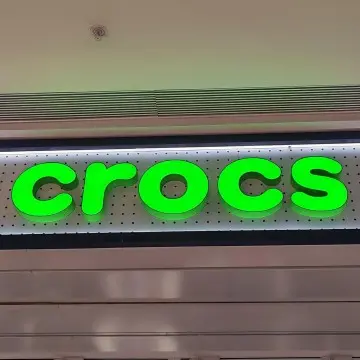
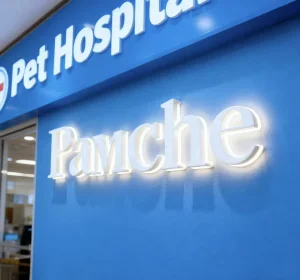
High-density acrylic faces with aluminum or stainless steel returns. Ideal for maximum daytime and nighttime visibility.

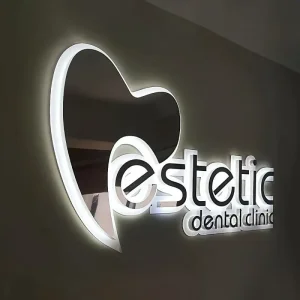
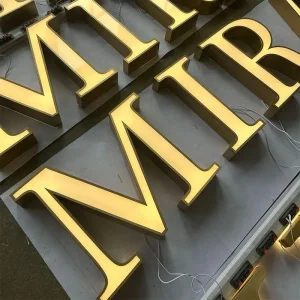
3D CNC machined solid acrylic letters with embedded LEDs. Provides a premium, crystal-edge illumination effect.

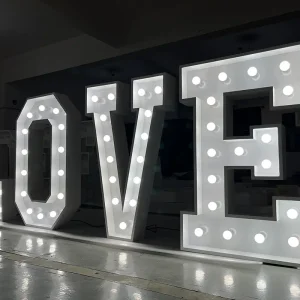
Modern, durable alternative to glass neon. Energy-efficient, shatterproof, and available in endless color palettes.

Ultra-thin frames with even light distribution, perfect for indoor supermarket aisle headers and promotional displays.
Supermarket signage must adapt to local environments. In Northern Europe, signage requires heaters to prevent ice buildup. In Middle Eastern markets, high UV resistance is mandatory to prevent yellowing of acrylic. For North American retail parks, large-scale architectural channel letters are the standard for highway visibility.
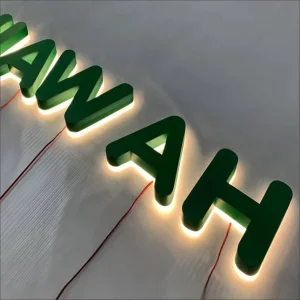
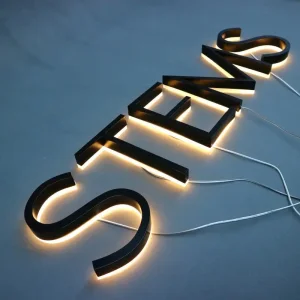
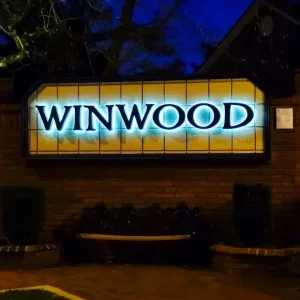
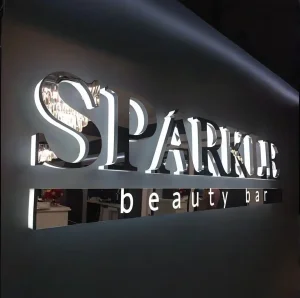
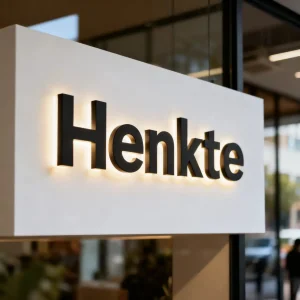
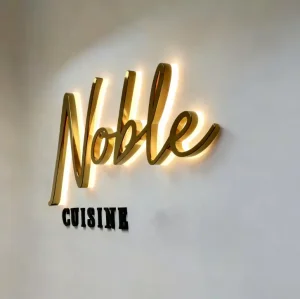
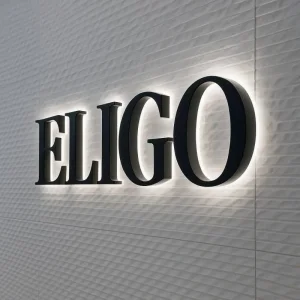
3D Backlit stainless steel letters provide a halo effect that exudes luxury and trust.
Acrylic internal signage helps customers navigate large supermarket floors efficiently.
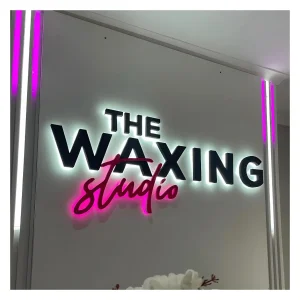
Smart RGB color-changing signs attract attention to seasonal sales and new product launches.
A: Our signs can be integrated with IoT controllers, allowing managers to adjust brightness, schedule lighting times, and change colors via a smartphone app or central BMS (Building Management System).
A: We use 304 or 316-grade stainless steel for frames and automotive-grade paint finishes. Our LEDs are IP67 rated, and we use vacuum-sealed power supplies to prevent moisture ingress.
A: Yes, our Chengdu factory 4.0 infrastructure is designed for scalability. We provide standardized prototyping and mass production with consistent color calibration across all batches.
A: We use export-standard reinforced wooden crates. We have long-term partnerships with DHL, FedEx, and global sea freight carriers to ensure safe and timely delivery to over 100 countries.
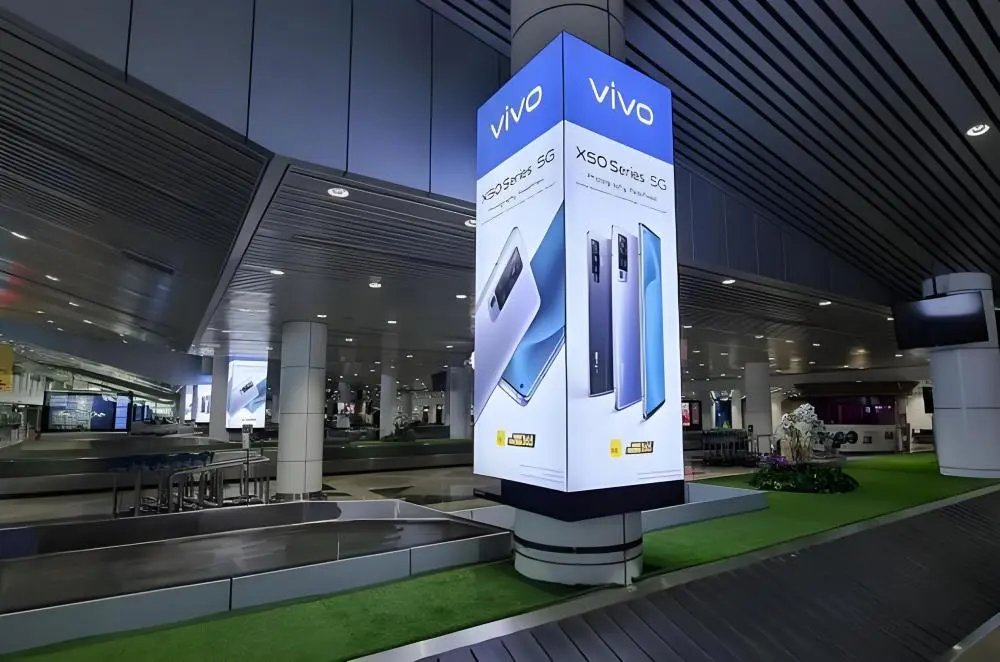
Exploring how premium signage directly correlates with increased foot traffic and brand equity.
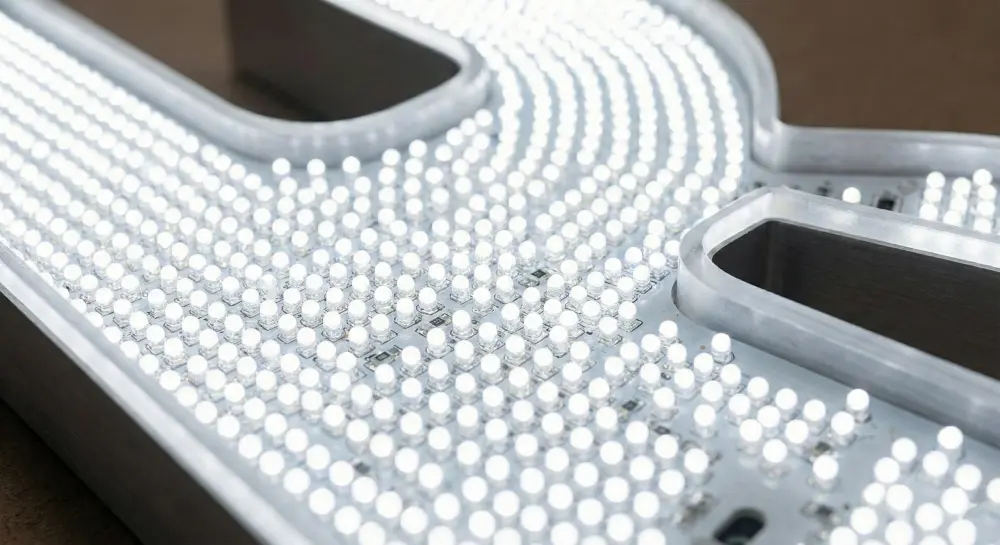
Why stagnant signage markets are being disrupted by interactive and sustainable LED solutions.
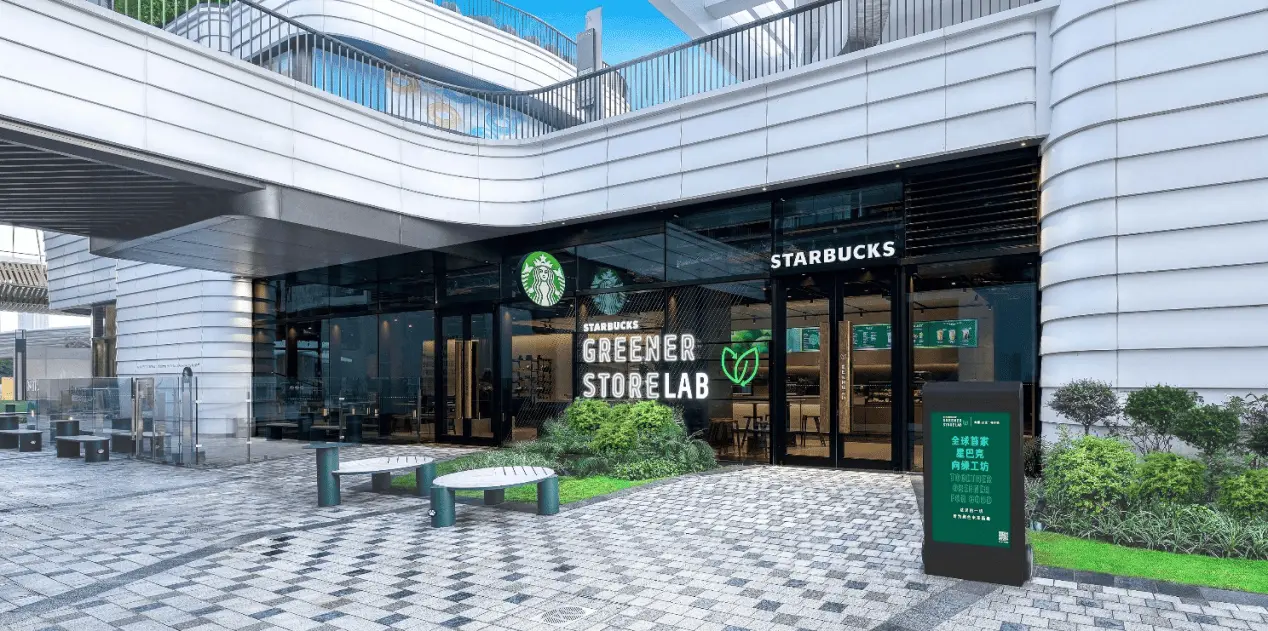
The role of bio-mimetic lighting in reducing carbon footprints for global retail chains.